
There is no normal fixed number of times a sump pump should run. Frequency depends on rain, groundwater, drainage area, basin volume, pump flow, switch spacing, discharge head, soil, season, and leaks. During heavy inflow a healthy pump may cycle often; in dry weather it may not run for weeks. Concern begins when behavior changes from the property's baseline, the pump short-cycles, runs continuously, cannot lower the level, or restarts because discharged water flows back. The safest answer comes from the exact equipment data, the actual operating condition, and measurements taken with an approved procedure rather than a generic rule.
บทความนี้เป็นคู่มือการวินิจฉัยและจัดซื้อจัดจ้างเชิงปฏิบัติ ไม่ใช่สิ่งทดแทนคำแนะนำของผู้ผลิตปั๊ม การออกแบบระบบที่ได้รับการอนุมัติ กฎระเบียบด้านไฟฟ้าและประปาปัจจุบัน หรือบริการหน้างานโดยผู้เชี่ยวชาญที่มีคุณสมบัติเหมาะสม ให้ตัดแยกระบบพลังงานและแรงดันก่อนเปิดอุปกรณ์ งานบ่อน้ำ การยกของ พื้นที่อับอากาศ น้ำเสีย จุดที่มีไฟฟ้าเปียกชื้น และการทดสอบที่มีกระแสไฟฟ้า บุคลากรต้องมีความสามารถและต้องมีมาตรการควบคุมเฉพาะสำหรับงานนั้นๆ.
Use the basin water balance
The level rises according to inflow and falls according to the pump's delivered flow at the actual head. A larger basin or wider distance between on and off levels stores more water per cycle, while a narrow level range causes more starts. The pump's nameplate capacity is not the delivered flow when vertical lift, pipe friction, fittings, check valve, and outlet conditions are included. Record the water-level rise with the pump off only when safe, then the drawdown time during a normal cycle. These observations explain frequency better than a universal cycles-per-hour number.
Recognize acceptable weather-related changes
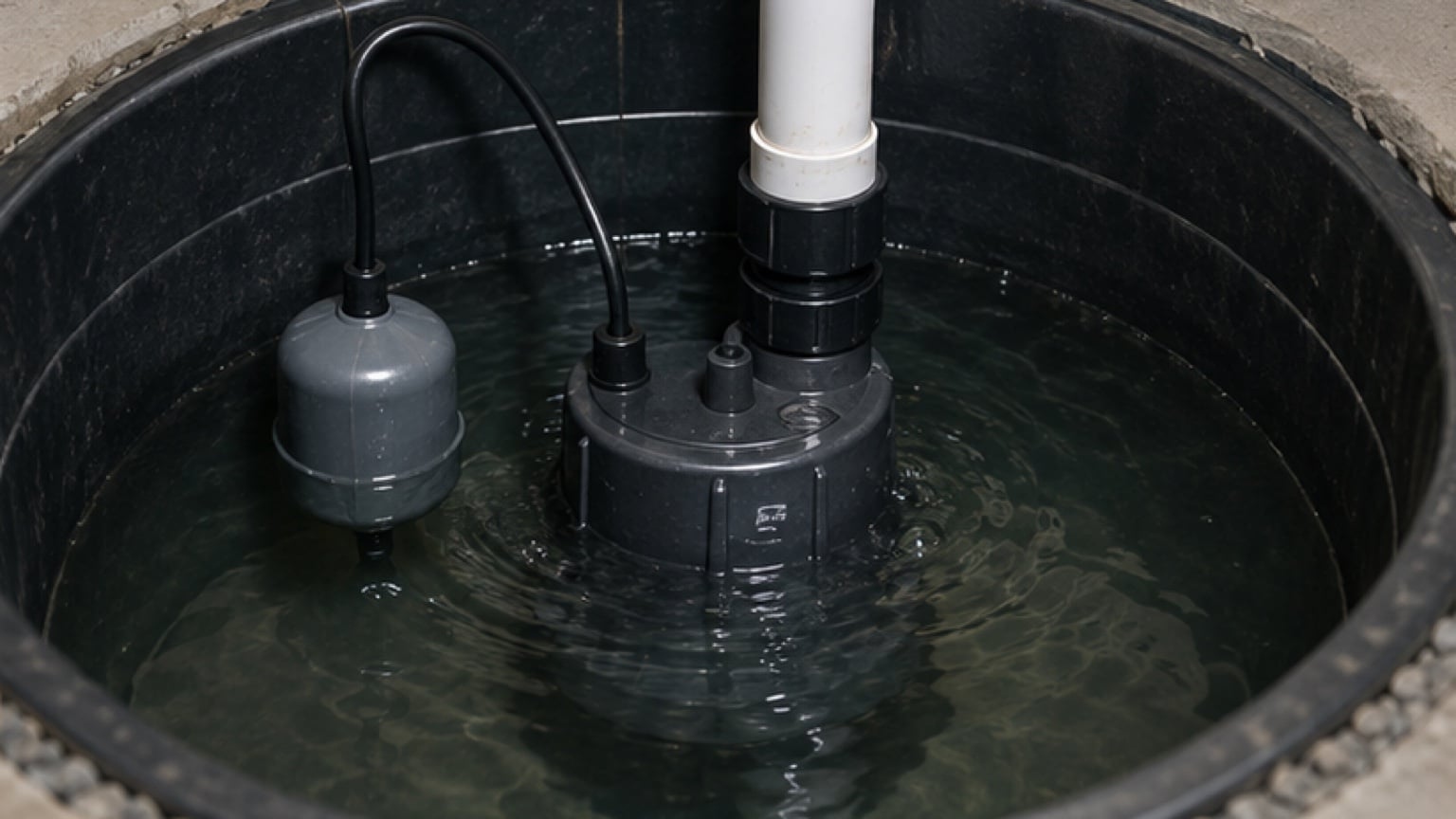
Heavy rain, snowmelt, rising groundwater, construction drainage changes, and a new connection can increase inflow. Frequent operation may be appropriate if the pump lowers the basin reliably, stops at the intended level, and remains inside its allowed duty and start limits. Compare with rainfall and past records. An unusually dry-period cycle can indicate a plumbing discharge entering the pit, a leaking pipe, or water recirculating from an outlet too close to the foundation. Investigate new patterns before adjusting the switch.
Identify short cycling
Short cycling means the pump starts and stops after moving too little water or restarts almost immediately. Common contributors are a small basin, stuck or poorly positioned float, narrow level spacing, oversized pump, leaking check valve, blocked or frozen outlet, discharge water returning to the pit, or an air-lock issue in an applicable installation. Repeated starts heat motors and stress switches and relays. Observe the level, timing, valve closure, and outlet; do not defeat the float or hold contacts closed.
ตารางการตัดสินใจ
| Pattern | Possible meaning | Check first |
|---|---|---|
| Frequent only during storms | High but expected inflow | Level control, drawdown and discharge |
| Very short cycles | Low stored volume or return flow | Float spacing, basin and check valve |
| Continuous with rising level | Capacity or discharge failure | Backup response and outlet path |
| New dry-weather cycling | Leak or unwanted inflow | Trace the inflow source |
Investigate continuous running
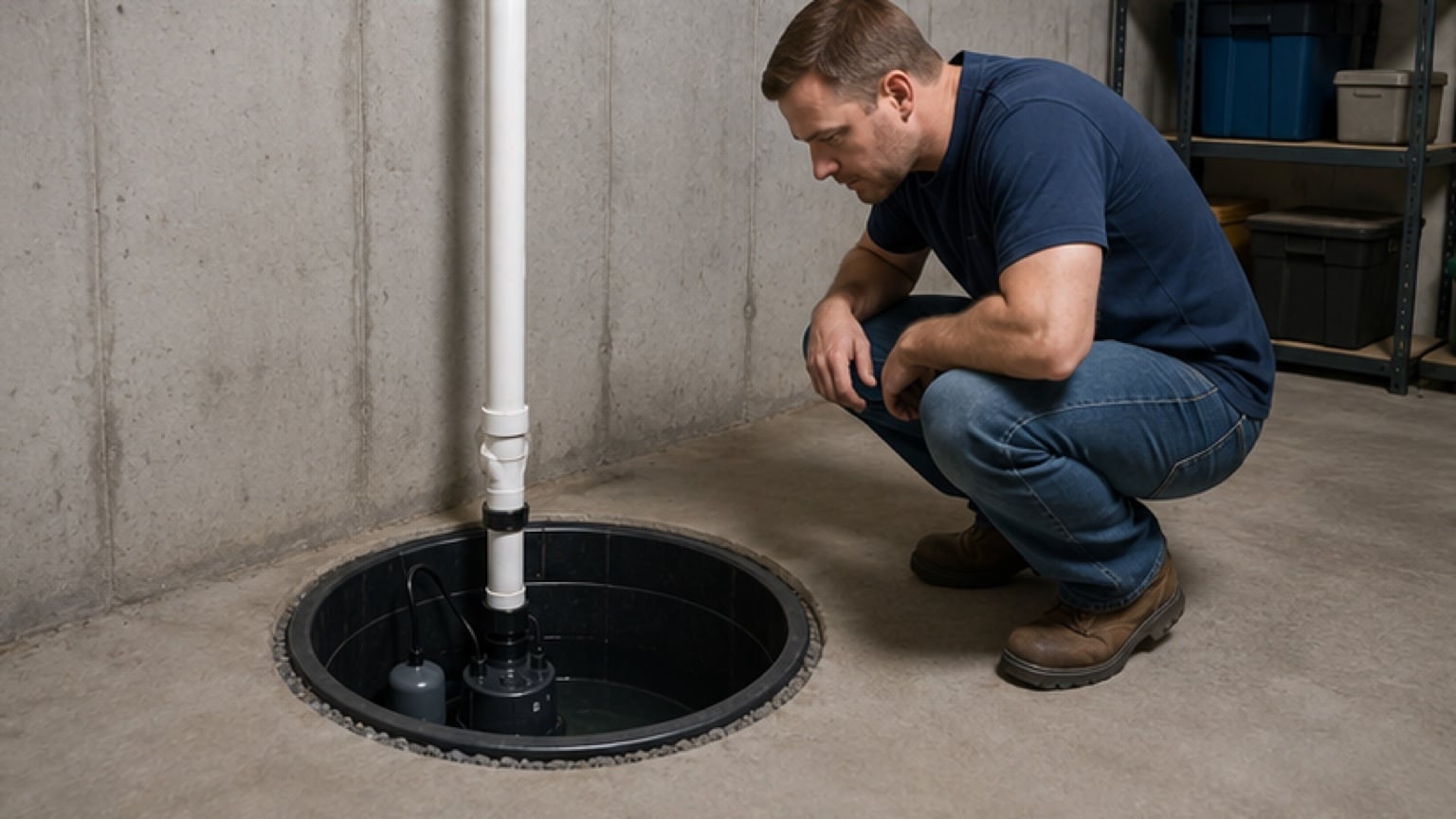
A pump may run continuously because inflow exceeds delivered flow, the discharge is blocked, the check valve is reversed or stuck, the pipe is leaking, the float is trapped, the pump has lost capacity, the outlet is submerged or frozen, or the basin never reaches the off level. Continuous-duty suitability and motor cooling vary by model. If the level continues to rise, activate the emergency response and backup. If the level falls but the pump never stops, isolate the level-control problem before the motor overheats.
Create a useful monitoring baseline
Record date, weather, starts, runtime, high-level alarms, approximate drawdown time, visible inflow, discharge condition, sound, and any maintenance. A simple runtime or cycle counter can reveal change before flooding occurs, provided it is installed compatibly. Test alarm and backup functions separately. Review records after storms and seasonal changes. The goal is not to force every day to look the same; it is to recognize a trend that the collection or pumping system can no longer manage.
Adjust the system only with evidence
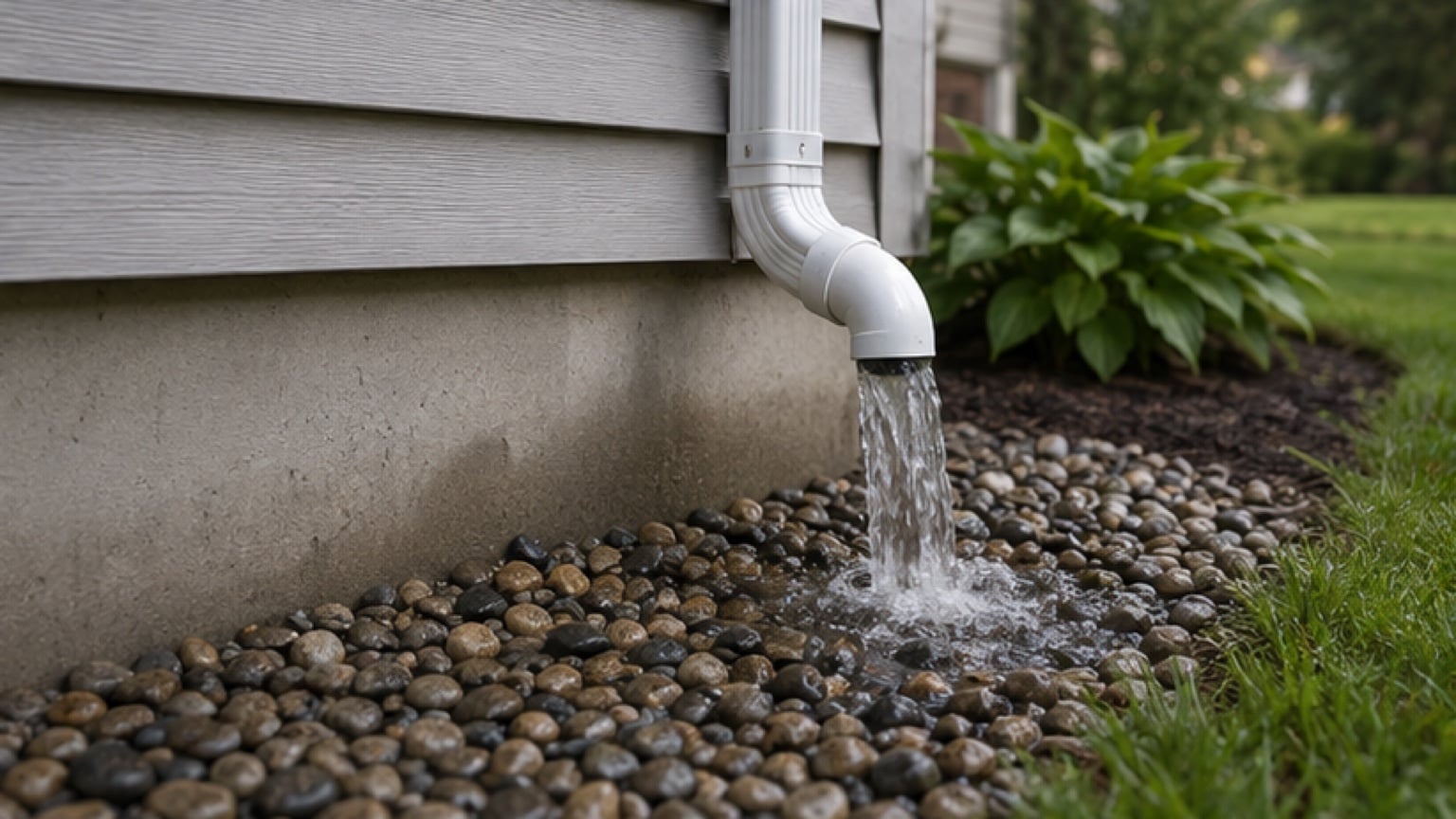
Do not raise the off level until minimum submergence, motor cooling, basin storage, inlet elevations, and backup capacity are checked. Do not install a larger pump without calculating total head and confirming that the discharge route can accept the higher flow. Solutions may include repairing the check valve or pipe, correcting drainage return, cleaning the basin, repositioning a float, increasing storage, changing controls, or selecting a better-matched pump. Verify the final sequence with normal, high-inflow, alarm, and power-loss cases.
System selection, evidence, and procurement record
ปั๊มบ่อพักหรือปั๊มน้ำเสียทำงานเป็นส่วนหนึ่งของระบบรวบรวมน้ำ ตรวจสอบเส้นทางน้ำไหลเข้า ปริมาตรบ่อ ระดับน้ำปิดปั๊ม ระดับน้ำเปิดปั๊ม และระดับน้ำสูง ท่อระบาย วาล์วกันกลับ วาล์วตัดตอน ตำแหน่งทางออก แหล่งจ่ายไฟฟ้า ระบบเตือนภัย ระบบสำรอง และเส้นทางถอดเปลี่ยนที่ปลอดภัยร่วมกัน ปั๊มต้องเหมาะสมกับของเหลวและของแข็งจริง โดยปั๊มสูบน้ำใส ปั๊มดันน้ำเสีย และปั๊มบดสับไม่ใช่คำที่ใช้แทนกันได้ ยืนยันว่ามอเตอร์ต้องอาศัยของเหลวรอบข้างในการระบายความร้อนหรือไม่ และระบบควบคุมสามารถรักษาระดับการจมน้ำขั้นต่ำพร้อมทั้งหลีกเลี่ยงการทำงานเปิด-ปิดถี่เกินไปหรือไม่.
สภาพหน้างานเปลี่ยนคำตอบได้ ปริมาณน้ำฝน น้ำใต้ดิน การเชื่อมต่อท่อระบายน้ำ การใช้งานอาคาร ข้อจำกัดทางน้ำไหลลง ท่อระบายออกที่ถูกแช่แข็งหรืออุดตัน ไฟฟ้าดับ และกฎระเบียบการระบายน้ำในท้องถิ่น ล้วนมีผลครอบงำประสิทธิภาพการทำงาน การตรวจสอบที่เป็นประโยชน์จะบันทึกเวลาทำงาน จำนวนครั้งที่เริ่มทำงาน เวลาดึงระดับน้ำลง การไหลเข้าที่ประเมินไว้ พฤติกรรมการระบาย การปิดวาล์ว การเคลื่อนที่ของตัวควบคุมระดับ การทำงานของสัญญาณเตือน เสียง การสั่นสะเทือน การรั่วไหล การกัดกร่อน สภาพสายไฟ และเศษซากสิ่งสกปรก ห้ามทำงานในบ่อเปียก พื้นที่อับอากาศ หรือตู้ไฟที่มีกระแสไฟฟ้า โดยไม่มีบุคลากรที่มีคุณสมบัติเหมาะสมและขั้นตอนที่หน้างานกำหนด.
สำหรับการเปลี่ยนหรือติดตั้งใหม่ ให้ส่งรายละเอียดของเหลว ของแข็งขนาดใหญ่ที่สุดที่คาดว่าจะพบ อัตราการไหลเข้าปกติและกรณีฉุกเฉิน เฮดรวมทางพลศาสตร์ แบบแปลนบ่อพัก การตั้งค่าระดับ แนวท่อ แรงดันไฟฟ้าและเฟส รอบการทำงาน ข้อกำหนดสัญญาณเตือนและสำรอง สภาพแวดล้อมการติดตั้ง ข้อจำกัดในการเข้าถึง ปลายทาง และการอนุมัติที่จำเป็นให้แก่ผู้จำหน่าย ขอขอบเขตงานที่สมบูรณ์ซึ่งรวมถึงปั๊ม ชุดนำทางหรือชุดยก ข้อต่อท่อส่ง วาล์ว ระบบควบคุม เซนเซอร์ สายเคเบิล ระบบป้องกัน เอกสารการทดสอบ อะไหล่ และการสนับสนุนการเดินเครื่อง เก็บกราฟที่ได้รับการอนุมัติและค่าอ่านเมื่อเริ่มต้นเดินระบบไว้กับบันทึกการบำรุงรักษา ปั๊มที่ทำงานได้จะยังไม่ถือว่ายอมรับอย่างสมบูรณ์จนกว่าจะได้มีการสาธิตการทำงานของระบบควบคุมระดับ สัญญาณเตือน การตอบสนองของปั๊มสำรอง วาล์ุป้องกันน้ำไหลย้อนกลับ แนวท่อส่ง และการถอดออกอย่างปลอดภัยแล้วเช่นกัน.
How this topic connects to BORRAPUMP equipment
This guide supports early review of how often should a sump pump run applications. It does not assign a final model. Send the liquid, flow range, total head, source and destination levels, solids, duty cycle, power, controls, site conditions, quantity, destination, and required approvals so equipment can be checked against the real service.
Related BORRAPUMP engineering guides
Authoritative sources and further learning
แผนที่น้ำท่วมและความเสี่ยงของ FEMA; ความปลอดภัยด้านไฟฟ้าตามมาตรฐาน OSHA; U.S. EPA stormwater discharges. These sources provide general engineering, water, environmental, or safety context; current local rules, approved designs, and equipment instructions remain controlling.
Educational video by Practical Engineering: ปั๊มสร้างแรงดันหรือการไหล?.
คำถามที่มักถูกถาม
Should a sump pump run every day?
It may during high groundwater and may remain idle in dry periods. The site baseline and inflow matter.
Is running every minute too often?
It can indicate high inflow or short cycling. Check drawdown, float spacing, basin, check valve, and discharge.
Why does it restart immediately?
Water may flow back through a leaking check valve or return from an unsuitable outlet.
Can I solve frequent cycling with a bigger pump?
Not automatically. A bigger pump can worsen short cycling unless the basin, head, controls, and outlet are reviewed.
Final checkpoint
Before changing equipment or settings, reconcile the actual duty and site conditions with the approved curve, drawings, materials, power, controls, protection, installation, testing, and maintenance access. Record remaining assumptions and assign responsibility for closing them. Preserve the final readings and documents as the baseline for future inspection.
A useful handover also states what was not tested, which assumptions still depend on site confirmation, and when the next inspection is due. Identify the person responsible for water-level, pressure, flow, electrical, alarm, and maintenance records. Keep photographs and instrument details with the results. If a later reading is taken at a different valve position, source level, speed, pressure setting, or demand, label that difference before comparing trends. This simple discipline prevents a normal operating change from being mistaken for damage and prevents real deterioration from being dismissed as normal variation. When safety, sanitation, water supply, or property damage is at stake, define the temporary protection and escalation route before returning the system to unattended service.
Use the first verified operating record as a baseline, then compare future checks under the closest practical conditions. Note weather, liquid level, demand, valve positions, speed, filter condition, and any temporary hose or bypass. Confirm that gauges and meters have an appropriate range and that readings are taken from the same locations. A change in one number should trigger a review of connected evidence rather than an immediate part replacement. If the pump, motor, control, tank, valve, pipe, or source is changed, update the drawing and selection record. This keeps maintenance decisions tied to the real system and gives suppliers enough context to evaluate a warranty question, replacement, or operating adjustment without starting the investigation from zero.