
There is no normal fixed number of times a sump pump should run. Frequency depends on rain, groundwater, drainage area, basin volume, pump flow, switch spacing, discharge head, soil, season, and leaks. During heavy inflow a healthy pump may cycle often; in dry weather it may not run for weeks. Concern begins when behavior changes from the property's baseline, the pump short-cycles, runs continuously, cannot lower the level, or restarts because discharged water flows back. The safest answer comes from the exact equipment data, the actual operating condition, and measurements taken with an approved procedure rather than a generic rule.
Bài viết này là cẩm nang hướng dẫn chẩn đoán và mua sắm thực tế, không thay thế cho hướng dẫn của nhà sản xuất máy bơm, thiết kế hệ thống được phê duyệt, các quy định hiện hành về điện và hệ thống nước, hay dịch vụ kỹ thuật có chuyên môn tại công trình. Phải cô lập nguồn năng lượng và áp suất trước khi mở thiết bị. Các công việc liên quan đến giếng khoan, nâng hạ, không gian hạn chế, nước thải, khu vực điện ẩm ướt và kiểm tra khi có điện đòi hỏi nhân sự có năng lực và các biện pháp kiểm soát dành riêng cho từng công việc.
Use the basin water balance
The level rises according to inflow and falls according to the pump's delivered flow at the actual head. A larger basin or wider distance between on and off levels stores more water per cycle, while a narrow level range causes more starts. The pump's nameplate capacity is not the delivered flow when vertical lift, pipe friction, fittings, check valve, and outlet conditions are included. Record the water-level rise with the pump off only when safe, then the drawdown time during a normal cycle. These observations explain frequency better than a universal cycles-per-hour number.
Recognize acceptable weather-related changes
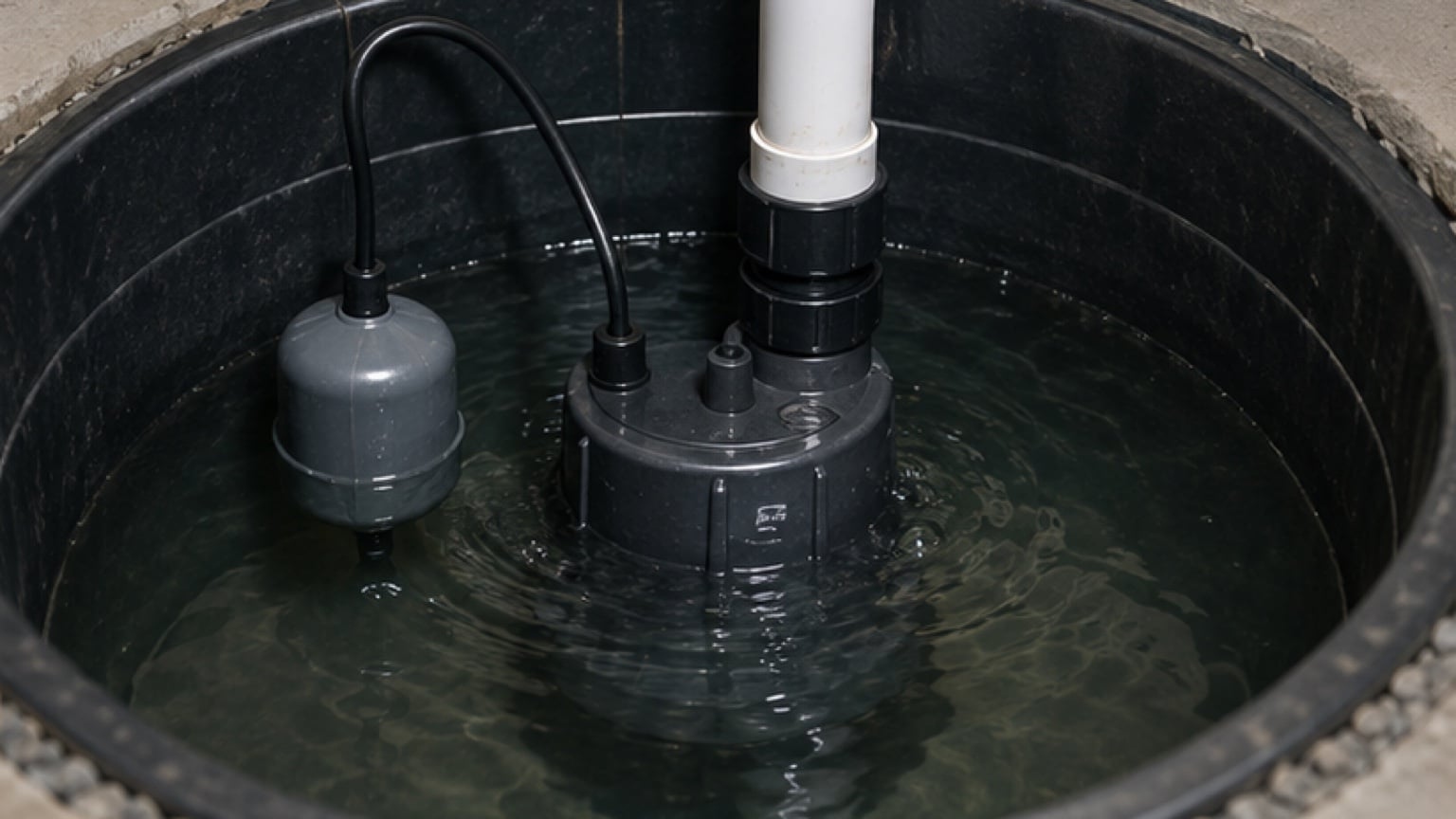
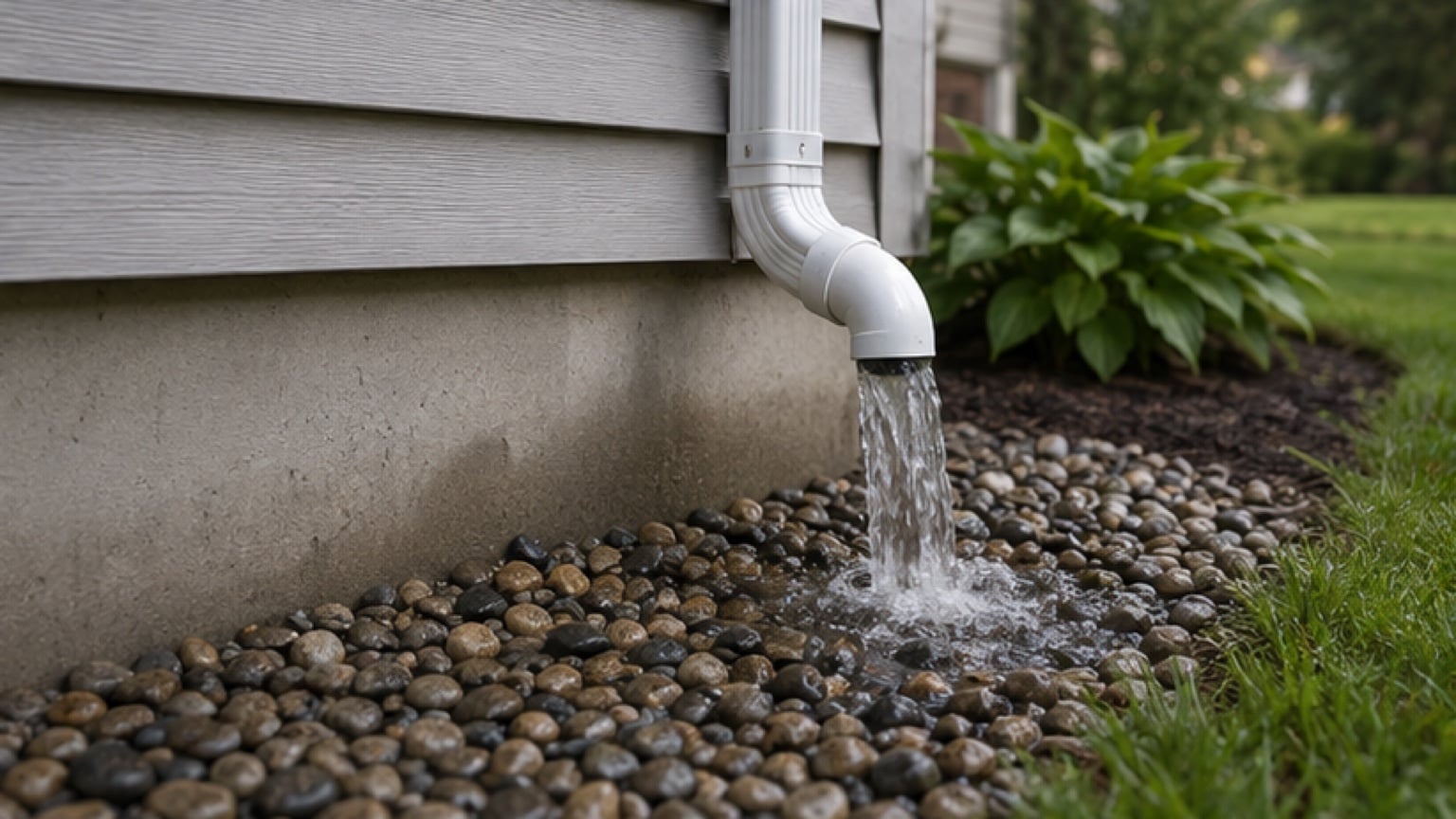
Heavy rain, snowmelt, rising groundwater, construction drainage changes, and a new connection can increase inflow. Frequent operation may be appropriate if the pump lowers the basin reliably, stops at the intended level, and remains inside its allowed duty and start limits. Compare with rainfall and past records. An unusually dry-period cycle can indicate a plumbing discharge entering the pit, a leaking pipe, or water recirculating from an outlet too close to the foundation. Investigate new patterns before adjusting the switch.
Identify short cycling
Short cycling means the pump starts and stops after moving too little water or restarts almost immediately. Common contributors are a small basin, stuck or poorly positioned float, narrow level spacing, oversized pump, leaking check valve, blocked or frozen outlet, discharge water returning to the pit, or an air-lock issue in an applicable installation. Repeated starts heat motors and stress switches and relays. Observe the level, timing, valve closure, and outlet; do not defeat the float or hold contacts closed.
Bảng quyết định
| Pattern | Possible meaning | Check first |
|---|---|---|
| Frequent only during storms | High but expected inflow | Level control, drawdown and discharge |
| Very short cycles | Low stored volume or return flow | Float spacing, basin and check valve |
| Continuous with rising level | Capacity or discharge failure | Backup response and outlet path |
| New dry-weather cycling | Leak or unwanted inflow | Trace the inflow source |
Investigate continuous running
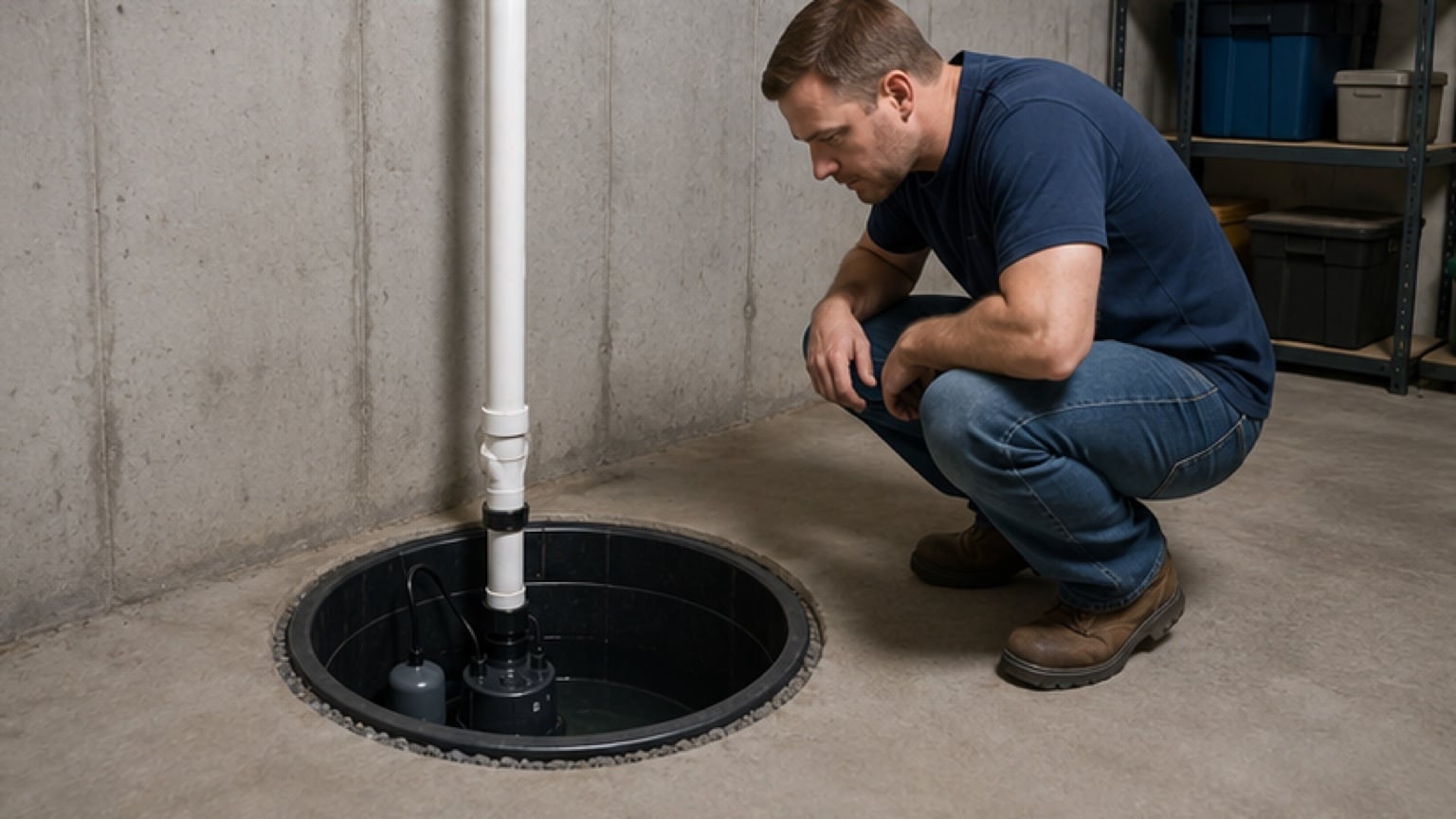
A pump may run continuously because inflow exceeds delivered flow, the discharge is blocked, the check valve is reversed or stuck, the pipe is leaking, the float is trapped, the pump has lost capacity, the outlet is submerged or frozen, or the basin never reaches the off level. Continuous-duty suitability and motor cooling vary by model. If the level continues to rise, activate the emergency response and backup. If the level falls but the pump never stops, isolate the level-control problem before the motor overheats.
Create a useful monitoring baseline
Record date, weather, starts, runtime, high-level alarms, approximate drawdown time, visible inflow, discharge condition, sound, and any maintenance. A simple runtime or cycle counter can reveal change before flooding occurs, provided it is installed compatibly. Test alarm and backup functions separately. Review records after storms and seasonal changes. The goal is not to force every day to look the same; it is to recognize a trend that the collection or pumping system can no longer manage.
Adjust the system only with evidence
Do not raise the off level until minimum submergence, motor cooling, basin storage, inlet elevations, and backup capacity are checked. Do not install a larger pump without calculating total head and confirming that the discharge route can accept the higher flow. Solutions may include repairing the check valve or pipe, correcting drainage return, cleaning the basin, repositioning a float, increasing storage, changing controls, or selecting a better-matched pump. Verify the final sequence with normal, high-inflow, alarm, and power-loss cases.
System selection, evidence, and procurement record
Bơm hố thu hoặc bơm nước thải hoạt động như một phần của hệ thống thu gom. Hãy xem xét đồng thời đường dòng chảy vào, thể tích bể chứa, các cao độ tắt bơm, bật bơm và mức cao, ống xả, van một chiều, van cách ly, vị trí đầu ra, nguồn điện, thiết bị báo động, hệ thống dự phòng và tuyến đường tháo dỡ an toàn. Bơm phải phù hợp với chất lỏng và chất rắn thực tế; bơm hố thu nước trong, bơm ép nước thải và bơm nghiền rác không phải là các tên gọi có thể thay thế cho nhau. Xác nhận xem động cơ có phụ thuộc vào chất lỏng xung quanh để làm mát hay không và các bộ điều khiển có duy trì độ ngập tối thiểu đồng thời tránh hiện tượng bật tắt liên tục nhanh hay không.
Điều kiện hiện trường làm thay đổi câu trả lời. Lượng mưa, nước ngầm, các kết nối thoát nước, tình trạng sử dụng tòa án, các hạn chế ở hạ lưu, các cửa xả bị đóng băng hoặc tắc nghẽn, mất điện và các quy định xả thải địa phương đều có thể chi phối hiệu suất. Một cuộc kiểm tra hữu ích sẽ ghi lại thời gian chạy, số lần khởi động, thời gian hạ mực nước, lưu lượng dòng vào ước tính, hành vi xả thải, việc đóng van, chuyển động điều khiển mực nước, chức năng báo động, tiếng ồn, độ rung, sự rò rỉ, ăn mòn, tình trạng cáp và cặn bẩn. Không làm việc trong bể chứa ẩm ướt, không gian hạn chế hoặc tủ điện đang có điện nếu không có đủ nhân sự đủ điều kiện và các quy trình theo yêu cầu của hiện trường.
Đối với việc thay thế hoặc lắp đặt mới, hãy gửi cho nhà cung cấp mô tả chất lỏng, chất rắn lớn nhất dự kiến, lưu lượng vào bình thường và khẩn cấp, tổng cột áp động, bản vẽ bể chứa, cài đặt mức, tuyến đường ống, điện áp và pha, chu kỳ làm việc, yêu cầu báo động và dự phòng, môi trường lắp đặt, giới hạn tiếp cận, điểm đến và các phê duyệt bắt buộc. Yêu cầu một phạm vi hoàn chỉnh bao gồm máy bơm, hệ thống dẫn hướng hoặc nâng, phụ kiện xả, van, bộ điều khiển, cảm biến, cáp, thiết bị bảo vệ, tài liệu thử nghiệm, phụ tùng và hỗ trợ vận hành. Giữ lại đường cong đã được phê duyệt và các chỉ số khởi động cùng với hồ sơ bảo trì. Một máy bơm hoạt động chưa được chấp nhận hoàn toàn cho đến khi các bộ phận kiểm soát mức, báo động, phản hồi dự phòng, van một chiều, đường xả và khả năng tháo dỡ an toàn cũng đã được chứng minh.
How this topic connects to BORRAPUMP equipment
This guide supports early review of how often should a sump pump run applications. It does not assign a final model. Send the liquid, flow range, total head, source and destination levels, solids, duty cycle, power, controls, site conditions, quantity, destination, and required approvals so equipment can be checked against the real service.
Related BORRAPUMP engineering guides
Authoritative sources and further learning
Bản đồ lũ lụt và rủi ro của FEMA; An toàn điện OSHA; U.S. EPA stormwater discharges. These sources provide general engineering, water, environmental, or safety context; current local rules, approved designs, and equipment instructions remain controlling.
Educational video by Practical Engineering: Máy bơm tạo ra áp suất hay lưu lượng?.
Các câu hỏi thường gặp
Should a sump pump run every day?
It may during high groundwater and may remain idle in dry periods. The site baseline and inflow matter.
Is running every minute too often?
It can indicate high inflow or short cycling. Check drawdown, float spacing, basin, check valve, and discharge.
Why does it restart immediately?
Water may flow back through a leaking check valve or return from an unsuitable outlet.
Can I solve frequent cycling with a bigger pump?
Not automatically. A bigger pump can worsen short cycling unless the basin, head, controls, and outlet are reviewed.
Final checkpoint
Before changing equipment or settings, reconcile the actual duty and site conditions with the approved curve, drawings, materials, power, controls, protection, installation, testing, and maintenance access. Record remaining assumptions and assign responsibility for closing them. Preserve the final readings and documents as the baseline for future inspection.
A useful handover also states what was not tested, which assumptions still depend on site confirmation, and when the next inspection is due. Identify the person responsible for water-level, pressure, flow, electrical, alarm, and maintenance records. Keep photographs and instrument details with the results. If a later reading is taken at a different valve position, source level, speed, pressure setting, or demand, label that difference before comparing trends. This simple discipline prevents a normal operating change from being mistaken for damage and prevents real deterioration from being dismissed as normal variation. When safety, sanitation, water supply, or property damage is at stake, define the temporary protection and escalation route before returning the system to unattended service.
Use the first verified operating record as a baseline, then compare future checks under the closest practical conditions. Note weather, liquid level, demand, valve positions, speed, filter condition, and any temporary hose or bypass. Confirm that gauges and meters have an appropriate range and that readings are taken from the same locations. A change in one number should trigger a review of connected evidence rather than an immediate part replacement. If the pump, motor, control, tank, valve, pipe, or source is changed, update the drawing and selection record. This keeps maintenance decisions tied to the real system and gives suppliers enough context to evaluate a warranty question, replacement, or operating adjustment without starting the investigation from zero.