
There is no normal fixed number of times a sump pump should run. Frequency depends on rain, groundwater, drainage area, basin volume, pump flow, switch spacing, discharge head, soil, season, and leaks. During heavy inflow a healthy pump may cycle often; in dry weather it may not run for weeks. Concern begins when behavior changes from the property's baseline, the pump short-cycles, runs continuously, cannot lower the level, or restarts because discharged water flows back. The safest answer comes from the exact equipment data, the actual operating condition, and measurements taken with an approved procedure rather than a generic rule.
Эта статья представляет собой практическое руководство по диагностике и закупке и не заменяет инструкции производителя насоса, утвержденный проект системы, действующие правила электромонтажников и сантехников или квалифицированное обслуживание на месте. Перед вскрытием оборудования отключите подачу энергии и сбросьте давление. Работы с колодцами, подъемные работы, работа в замкнутых пространствах, со сточными водами, во влажных электроустановках и испытания под напряжением требуют наличия компетентного персонала и средств контроля, соответствующих конкретным задачам.
Use the basin water balance
The level rises according to inflow and falls according to the pump's delivered flow at the actual head. A larger basin or wider distance between on and off levels stores more water per cycle, while a narrow level range causes more starts. The pump's nameplate capacity is not the delivered flow when vertical lift, pipe friction, fittings, check valve, and outlet conditions are included. Record the water-level rise with the pump off only when safe, then the drawdown time during a normal cycle. These observations explain frequency better than a universal cycles-per-hour number.
Recognize acceptable weather-related changes
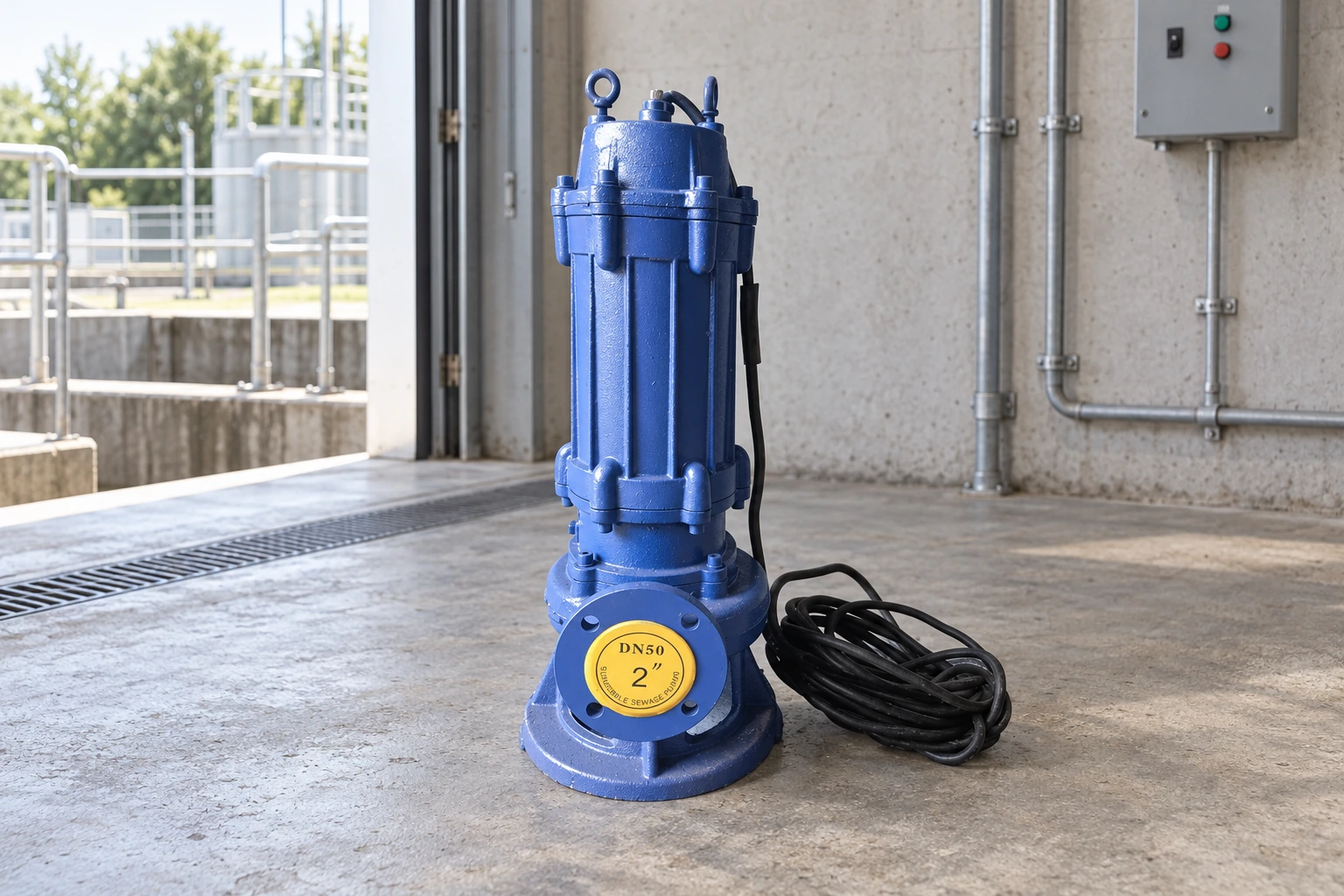
Heavy rain, snowmelt, rising groundwater, construction drainage changes, and a new connection can increase inflow. Frequent operation may be appropriate if the pump lowers the basin reliably, stops at the intended level, and remains inside its allowed duty and start limits. Compare with rainfall and past records. An unusually dry-period cycle can indicate a plumbing discharge entering the pit, a leaking pipe, or water recirculating from an outlet too close to the foundation. Investigate new patterns before adjusting the switch.
Identify short cycling
Short cycling means the pump starts and stops after moving too little water or restarts almost immediately. Common contributors are a small basin, stuck or poorly positioned float, narrow level spacing, oversized pump, leaking check valve, blocked or frozen outlet, discharge water returning to the pit, or an air-lock issue in an applicable installation. Repeated starts heat motors and stress switches and relays. Observe the level, timing, valve closure, and outlet; do not defeat the float or hold contacts closed.
Таблица решений
| Pattern | Possible meaning | Check first |
|---|---|---|
| Frequent only during storms | High but expected inflow | Level control, drawdown and discharge |
| Very short cycles | Low stored volume or return flow | Float spacing, basin and check valve |
| Continuous with rising level | Capacity or discharge failure | Backup response and outlet path |
| New dry-weather cycling | Leak or unwanted inflow | Trace the inflow source |
Investigate continuous running
A pump may run continuously because inflow exceeds delivered flow, the discharge is blocked, the check valve is reversed or stuck, the pipe is leaking, the float is trapped, the pump has lost capacity, the outlet is submerged or frozen, or the basin never reaches the off level. Continuous-duty suitability and motor cooling vary by model. If the level continues to rise, activate the emergency response and backup. If the level falls but the pump never stops, isolate the level-control problem before the motor overheats.
Create a useful monitoring baseline
Record date, weather, starts, runtime, high-level alarms, approximate drawdown time, visible inflow, discharge condition, sound, and any maintenance. A simple runtime or cycle counter can reveal change before flooding occurs, provided it is installed compatibly. Test alarm and backup functions separately. Review records after storms and seasonal changes. The goal is not to force every day to look the same; it is to recognize a trend that the collection or pumping system can no longer manage.
Adjust the system only with evidence
Do not raise the off level until minimum submergence, motor cooling, basin storage, inlet elevations, and backup capacity are checked. Do not install a larger pump without calculating total head and confirming that the discharge route can accept the higher flow. Solutions may include repairing the check valve or pipe, correcting drainage return, cleaning the basin, repositioning a float, increasing storage, changing controls, or selecting a better-matched pump. Verify the final sequence with normal, high-inflow, alarm, and power-loss cases.
Выбор системы, подтверждающие материалы и закупочная документация
Дренажный или фекальный насос работает как часть системы сбора стоков. Проверьте в комплексе путь поступления притока, объем резервуара, уровни отключения и включения насоса, а также уровень аварийного сигнала, напорную трубу, обратный клапан, запорный клапан, место выпуска, электроснабжение, сигнализацию, резервную систему и безопасный путь демонтажа. Насос должен соответствовать реальной жидкости и твердым включениям; дренажный насос для чистой воды, фекальный насос и насос с измельчителем — это не взаимозаменяемые понятия. Убедитесь, зависит ли электродвигатель от окружающей жидкости в плане охлаждения и обеспечивают ли средства управления минимальное погружение насоса при предотвращении частого включения и выключения.
Условия на объекте меняют ответ. Количество осадков, грунтовые воды, подключения дренажа, заполняемость здания, ограничения ниже по течению, замерзшие или заблокированные выпуски, отключения электроэнергии и местные правила сброса — все это может оказывать решающее влияние на производительность. Полезный осмотр фиксирует время работы, количество пусков, время снижения уровня, предполагаемый приток, характер сброса, закрытие клапанов, движение элементов контроля уровня, работу сигнализации, шум, вибрацию, утечки, коррозию, состояние кабелей и наличие мусора. Не выполняйте работы в сыром колодце, замкнутом пространстве или в электрощите под напряжением без квалифицированного персонала и процедур, требуемых на объекте.
Для замены или нового монтажа направьте поставщикам описание жидкости, размеры наибольших ожидаемых твердых включений, нормальный и аварийный приток, общий напор, чертеж резервуара, настройки уровня, трассу трубопровода, напряжение и фазность, рабочий цикл, требования к сигнализации и резервному копированию, условия окружающей среды, ограничения доступа, пункт назначения и необходимые разрешения. Запросите полный комплект поставки, включая насос, направляющее или подъемное устройство, напорную арматуру, клапаны, элементы управления, датчики, кабель, защиту, тестовую документацию, ЗИП и шефмонтаж. Храните утвержденную рабочую характеристику и показания при пуске вместе с журналом технического обслуживания. Работающий насос не считается полностью принятым до тех пор, пока также не будут продемонстрированы работоспособность средств контроля уровня, сигнализации, реакции резерва, обратного клапана, напорной линии и безопасности демонтажа.
Как эта тема связана с оборудованием BORRAPUMP
Это руководство способствует раннему рассмотрению how often should a sump pump run приложений. Она не назначает окончательную модель. Отправьте данные о жидкости, диапазоне расхода, общем напоре, уровнях источника и назначения, содержании твердых частиц, рабочем цикле, мощности, средствах управления, условиях на объекте, количестве, пункте назначения и требуемых согласованиях, чтобы оборудование можно было проверить на соответствие реальным условиям эксплуатации.
Связанные технические руководства BORRAPUMP
- установка дренажного насоса для подвала
- дренажный насос против фекального насоса
- список проверки установки дренажного насоса
Авторитетные источники и дальнейшее изучение
Карты затопления и риски FEMA; Электробезопасность по стандарту OSHA; U.S. EPA stormwater discharges. Эти источники содержат общие инженерные, водные, экологические или защитные сведения; действующие местные правила, утвержденные проекты и инструкции к оборудованию остаются приоритетными.
Познавательное видео от Practical Engineering: Создают ли насосы давление или поток?.
Часто задаваемые вопросы
Should a sump pump run every day?
It may during high groundwater and may remain idle in dry periods. The site baseline and inflow matter.
Is running every minute too often?
It can indicate high inflow or short cycling. Check drawdown, float spacing, basin, check valve, and discharge.
Why does it restart immediately?
Water may flow back through a leaking check valve or return from an unsuitable outlet.
Can I solve frequent cycling with a bigger pump?
Not automatically. A bigger pump can worsen short cycling unless the basin, head, controls, and outlet are reviewed.
Последняя контрольная точка
Перед изменением оборудования или параметров согласуйте фактический режим работы и условия на объекте с утвержденной характеристикой, чертежами, материалами, электропитанием, средствами управления, защитой, монтажом, испытаниями и доступом для технического обслуживания. Зафиксируйте оставшиеся допущения и назначьте ответственных за их закрытие. Сохраните конечные показания и документы в качестве исходных данных для будущих проверок.
Полезная передача дел также указывает, что не было протестировано, какие предположения по-прежнему зависят от подтверждения на объекте и когда назначена следующая проверка. Определите лицо, ответственное за учет уровня воды, давления, расхода, электрических параметров, сигналов тревоги и технического обслуживания. Храните фотографии и сведения об инструментах вместе с результатами. Если последующее снятие показаний выполняется при другом положении клапана, уровне источника, скорости, настройке давления или водоразборе, отметьте это различие перед сравнением тенденций. Эта простая дисциплина предотвращает ошибку, при которой нормальное изменение режима работы принимается за повреждение, и не позволяет списать реальное ухудшение состояния на обычные колебания. Если на карту поставлены безопасность, санитария, водоснабжение или ущерб имуществу, определите временную защиту и порядок эскалации до возвращения системы в режим работы без присмотра.
Используйте первую проверенную рабочую запись в качестве базовой линии, а затем сравнивайте будущие проверки в максимально близких практических условиях. Фиксируйте погоду, уровень жидкости, нагрузку, положение клапанов, скорость, состояние фильтра и наличие любых временных шлангов или байпасов. Убедитесь, что манометры и измерительные приборы имеют подходящий диапазон и что показания снимаются в одних и тех же точках. Изменение одного показателя должно вызывать необходимость анализа связанных данных, а не немедленную замену деталей. Если насос, электродвигатель, система управления, резервуар, клапан, трубопровод или источник заменяются, обновите чертеж и учетную карту выбора оборудования. Это позволяет принимать решения по техническому обслуживанию на основе реальной системы и дает поставщикам достаточно контекста для оценки гарантийного случая, замены или регулировки режима работы без необходимости начинать расследование с нуля.