
Booster Pump Design Starts With the Duty Point Booster pump design is a system calculation, not a horsepower-only choice. A building booster must add enough pressure at the required flow after inlet pressure, elevation, pipe friction, and demand variation are…
Booster Pump Design Starts With the Duty Point
Booster pump design is a system calculation, not a horsepower-only choice. A building booster must add enough pressure at the required flow after inlet pressure, elevation, pipe friction, and demand variation are considered.
1. Define Flow and Pressure Requirements
Start with peak simultaneous demand and the pressure required at the weakest delivery point. Record inlet pressure at peak demand rather than only the static reading. The difference between available inlet pressure and required outlet pressure is part of the boost duty.
| Design input | Why it matters |
|---|---|
| Peak flow | Sets pump capacity and staging need. |
| Outlet pressure | Defines user or equipment requirement. |
| Inlet pressure at peak flow | Defines added head. |
| Elevation and friction | Completes total dynamic head. |
2. Check the Water Source Before Selecting a Booster
A booster needs a stable inlet. Municipal supply, a break tank, or a storage outlet can be suitable only after the source condition is measured. A booster does not replace a well-lift pump where water does not reach the suction side.
For the source-duty distinction, read jet pump vs booster pump.
3. Select Single, Parallel, or Staged Pumps
One pump may fit a narrow demand band. Parallel or staged pumps can support demand variation and project redundancy requirements. The final configuration must be selected from the curve and project documents.
| Layout | Typical design signal | Review point |
|---|---|---|
| Single pump | Stable, limited demand | Minimum flow and service continuity |
| Parallel pumps | Variable building demand | Staging sequence and check valves |
| Packaged booster | Defined controls and accessories | Supplier versus site scope |
4. Choose the Control Strategy
Constant-speed systems use pressure-switch logic and may use a tank to reduce cycling. VFD packages use a pressure transducer and controller to respond to changing demand. Do not assume a tank, VFD, valves, or instruments are included unless the quotation lists them.
5. Design the Piping and Service Interface
The design layout should identify suction isolation, discharge check valve, pressure reference, drain or test points, and maintenance clearance. Pipe support, inlet losses, and controller sensing position affect stable operation. A concept diagram does not replace a dimensioned installation drawing.
6. Select a BORRAPUMP Product Route
| Project signal | Product route |
|---|---|
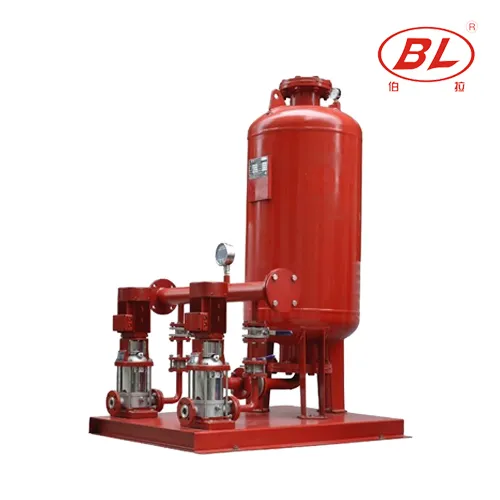
| Packaged building booster | Booster Regulator Water Supply Equipment |
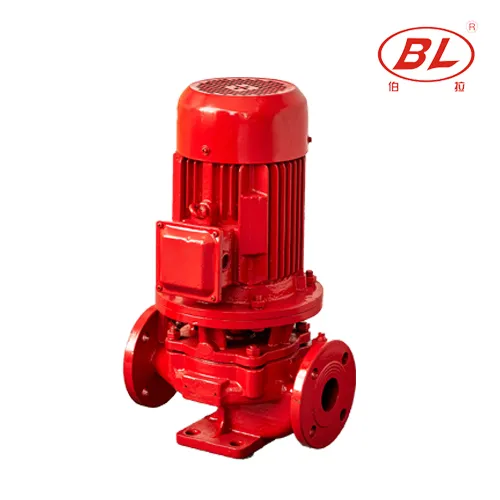
| Inline mechanical-room duty | ISG Vertical Inline Boost Water Pump |
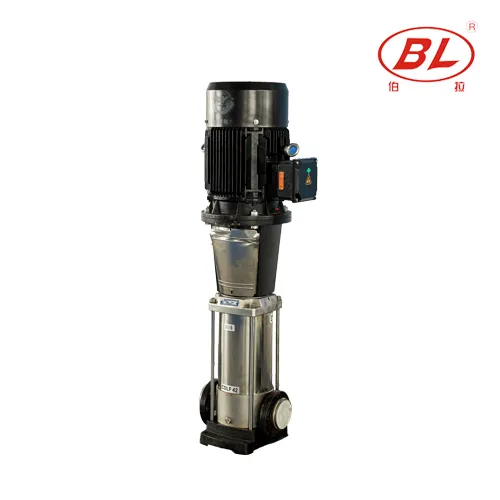
| Higher-head multistage duty | CDL(F) Vertical Multistage Jockey Pump |
7. Send Complete RFQ Data
Send flow, required outlet pressure or head, inlet pressure at peak demand, medium, temperature, power supply, control preference, installation layout, quantity, destination, and required documents through contact Borra.
FAQ
Can booster pump design use horsepower alone?
No. Flow, head, inlet condition, and controls must be evaluated together.
What is the first booster design input?
Peak flow and the required delivery pressure.
Does a booster need a break tank?
That depends on the verified source condition and project design.
When should parallel pumps be used?
When demand variation or project continuity calls for staged capacity.
Does every system need a VFD?
No. Control selection depends on demand profile and pressure stability requirements.
Can this page approve a fire pump design?
No. Fire pump systems need a separate engineering and approval path.