
Size an electric fire pump motor and select its starting method as one listed system with the pump and controller. The motor must carry the pump's required load across the applicable performance curve and start on the available electrical source without unacceptable voltage effects. Use the pump power curve, motor and controller listings, service factor rules where applicable, locked-rotor characteristics, conductor and transformer data, and emergency-power strategy. Do not use normal process-pump motor sizing shortcuts without checking fire-pump requirements. Keep the calculation and acceptance record with the final project documents so future tests use the same basis.
ความปลอดภัยและขอบเขต: ปั๊มดับเพลิงและชุดขับเคลื่อนเป็นอุปกรณ์เพื่อความปลอดภัยในชีวิต งานระบบไฮดรอลิก ระบบไฟฟ้า ดีเซล เชื้อเพลิง แบตเตอรี่ ความดัน อุปกรณ์หมุน การทดสอบ และการจัดการข้อบกพร่อง จะต้องเป็นไปตามการออกแบบที่ได้รับอนุมัติในปัจจุบัน คำแนะนำของผู้ผลิต มาตรฐานที่เกี่ยวข้อง และหน่วยงานที่มีเขตอำนาจ คู่มือนี้อธิบายถึงเส้นทางการตัดสินใจทางวิศวกรรม โดยไม่ได้ให้สิทธิ์ในการเปลี่ยนแปลงหน้างาน การบายพาส หรือการปฏิบัติงานโดยบุคลากรที่ไม่มีคุณสมบัติ.
Use the complete pump power curve
Review brake power from churn through the required high-flow region. Confirm whether the selected impeller and speed can overload the proposed motor. Treat this as a system condition rather than an isolated component choice. Identify the source of every input, the unit used, the operating condition it represents, and the person responsible for approval. If information is preliminary, mark the assumption and test how the decision changes at a conservative boundary. This prevents a neat calculation from hiding an uncertain water level, pressure, valve position, driver condition, or simultaneous demand.
For fire pump motor sizing, verify this section against the selected pump curve, the actual site arrangement, manufacturer instructions, and the current requirements accepted by the authority having jurisdiction. Check the installed condition as well as the drawing because pipe routes, elevations, supports, controls, and access often change during construction. Record the result in a form that can be repeated during commissioning and later inspection. Do not change a safety-critical setting or isolate fire protection without the approved impairment and restoration process.
Match voltage, phase, and frequency
The motor, controller, utility, generator, and transfer arrangement must share compatible ratings and tolerate actual voltage conditions. The most useful evidence is measured or approved project data, not a copied rule of thumb. Identify the source of every input, the unit used, the operating condition it represents, and the person responsible for approval. If information is preliminary, mark the assumption and test how the decision changes at a conservative boundary. This prevents a neat calculation from hiding an uncertain water level, pressure, valve position, driver condition, or simultaneous demand.
For fire pump motor sizing, verify this section against the selected pump curve, the actual site arrangement, manufacturer instructions, and the current requirements accepted by the authority having jurisdiction. Check the installed condition as well as the drawing because pipe routes, elevations, supports, controls, and access often change during construction. Record the result in a form that can be repeated during commissioning and later inspection. Do not change a safety-critical setting or isolate fire protection without the approved impairment and restoration process.
Understand starting current
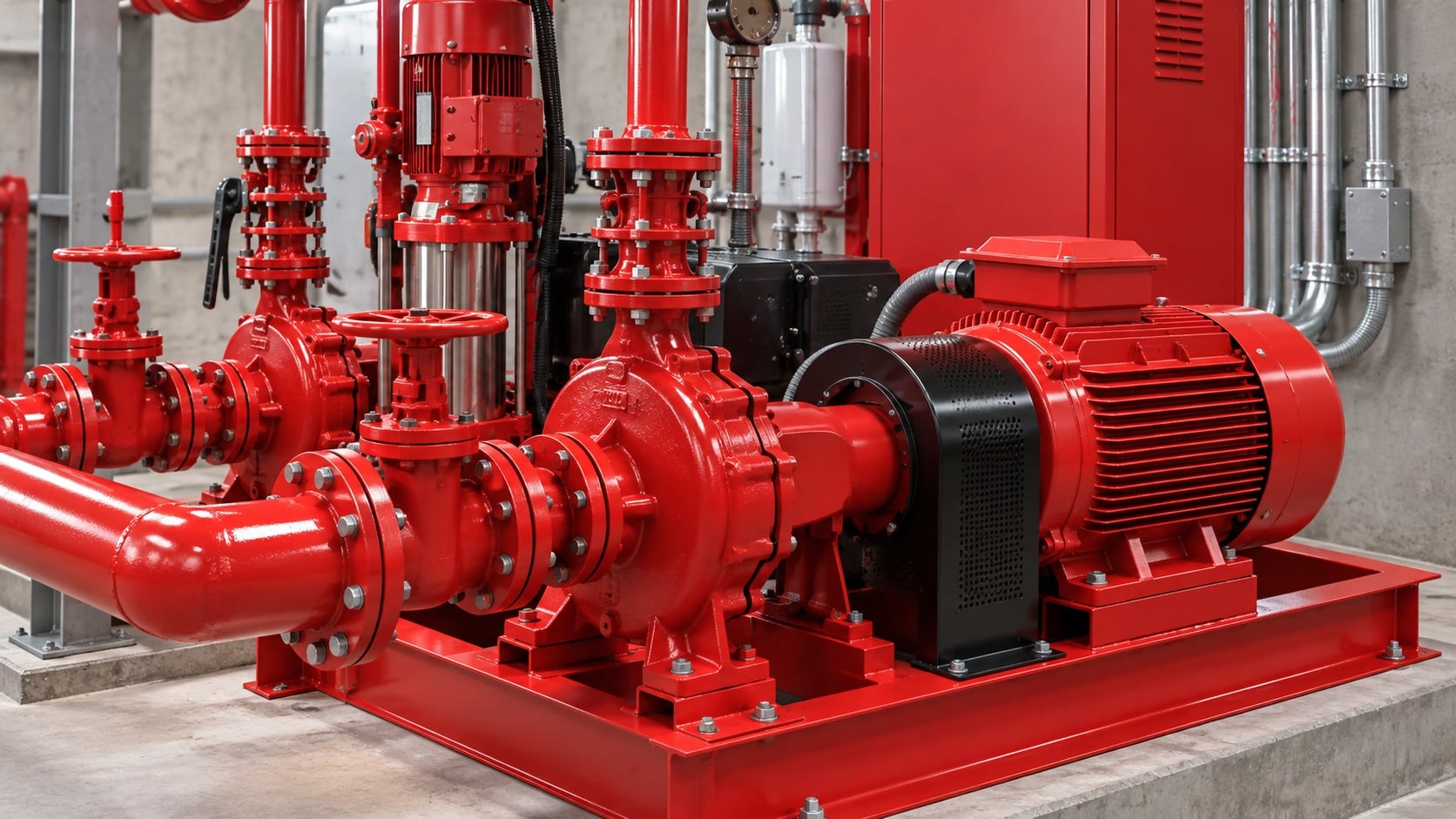
Across-the-line starting is simple but can create a large voltage dip. Reduced-voltage methods change current and torque and must be approved for the application. Review this condition at normal, test, and credible abnormal states before procurement. Identify the source of every input, the unit used, the operating condition it represents, and the person responsible for approval. If information is preliminary, mark the assumption and test how the decision changes at a conservative boundary. This prevents a neat calculation from hiding an uncertain water level, pressure, valve position, driver condition, or simultaneous demand.
For fire pump motor sizing, verify this section against the selected pump curve, the actual site arrangement, manufacturer instructions, and the current requirements accepted by the authority having jurisdiction. Check the installed condition as well as the drawing because pipe routes, elevations, supports, controls, and access often change during construction. Record the result in a form that can be repeated during commissioning and later inspection. Do not change a safety-critical setting or isolate fire protection without the approved impairment and restoration process.
Compare starting methods
Review full-voltage, autotransformer, primary resistor or reactor, part-winding, wye-delta, and approved solid-state arrangements according to the specific system and listing. The design team should turn this point into a traceable calculation or drawing note. Identify the source of every input, the unit used, the operating condition it represents, and the person responsible for approval. If information is preliminary, mark the assumption and test how the decision changes at a conservative boundary. This prevents a neat calculation from hiding an uncertain water level, pressure, valve position, driver condition, or simultaneous demand.
For fire pump motor sizing, verify this section against the selected pump curve, the actual site arrangement, manufacturer instructions, and the current requirements accepted by the authority having jurisdiction. Check the installed condition as well as the drawing because pipe routes, elevations, supports, controls, and access often change during construction. Record the result in a form that can be repeated during commissioning and later inspection. Do not change a safety-critical setting or isolate fire protection without the approved impairment and restoration process.
ตารางการตัดสินใจเชิงปฏิบัติ
| Starting option | Main benefit | Key review |
|---|---|---|
| Full-voltage | Simple and high starting torque | Source voltage dip and capacity |
| Autotransformer | Reduced line current | Approved taps, transition, and torque |
| Primary resistor/reactor | Reduced starting current | Voltage, heat, torque, transition |
| Part-winding | Uses suitable motor winding design | Motor compatibility and sequence |
| Wye-delta | Reduced current with specific motor | Lead arrangement and torque |
| Approved solid-state method | Controlled electrical transition | Listing, bypass, heat, and reliability |
Check source capacity and voltage drop
Model utility or generator impedance, transformer, conductors, starting current, simultaneous loads, and minimum acceptable terminal voltage. Treat this as a system condition rather than an isolated component choice. Identify the source of every input, the unit used, the operating condition it represents, and the person responsible for approval. If information is preliminary, mark the assumption and test how the decision changes at a conservative boundary. This prevents a neat calculation from hiding an uncertain water level, pressure, valve position, driver condition, or simultaneous demand.
For fire pump motor sizing, verify this section against the selected pump curve, the actual site arrangement, manufacturer instructions, and the current requirements accepted by the authority having jurisdiction. Check the installed condition as well as the drawing because pipe routes, elevations, supports, controls, and access often change during construction. Record the result in a form that can be repeated during commissioning and later inspection. Do not change a safety-critical setting or isolate fire protection without the approved impairment and restoration process.
Coordinate controller and protection
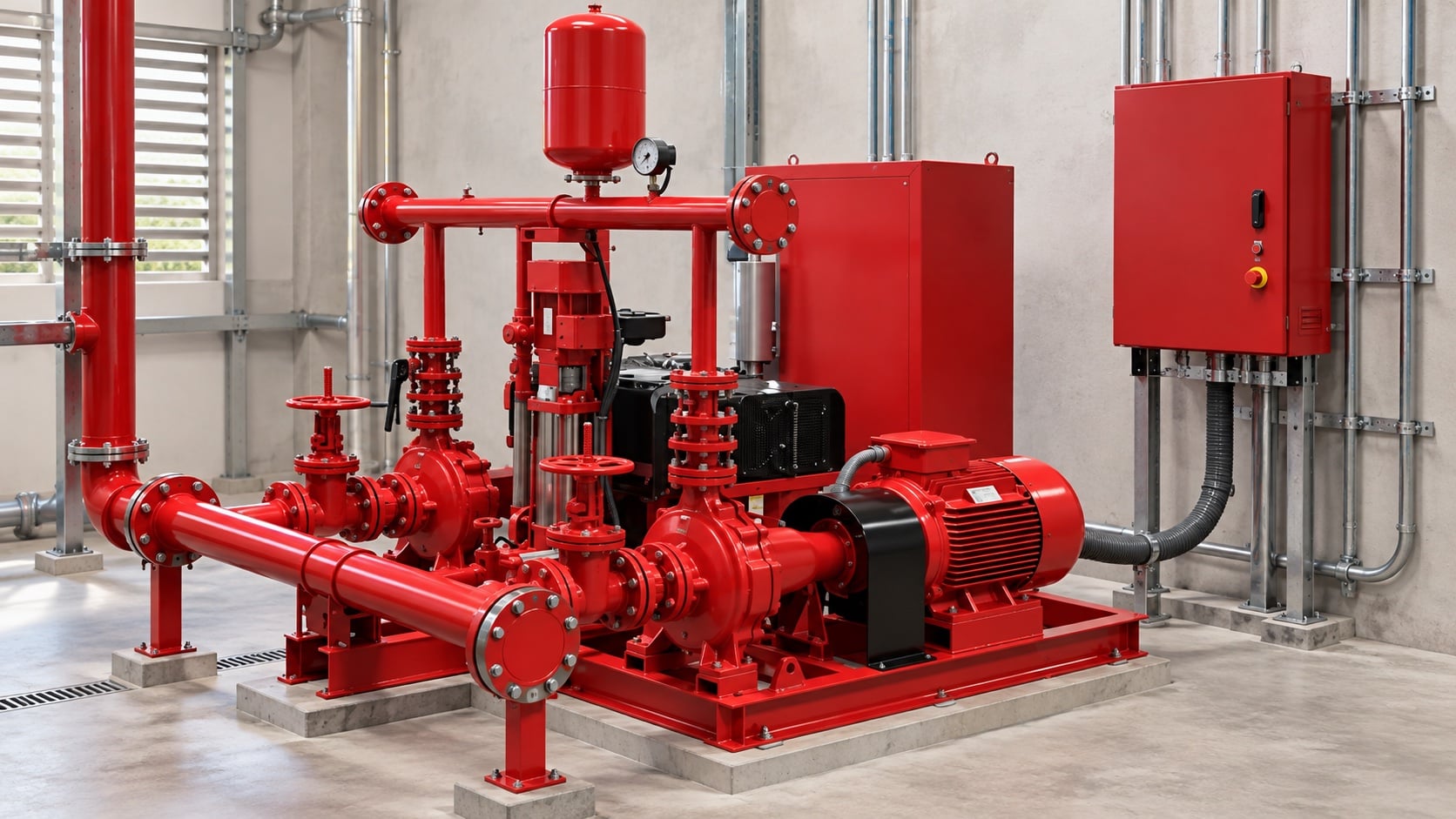
Fire pump controllers have a specialized operating purpose. Do not apply ordinary motor protection or shutdown logic that could prevent required operation. The most useful evidence is measured or approved project data, not a copied rule of thumb. Identify the source of every input, the unit used, the operating condition it represents, and the person responsible for approval. If information is preliminary, mark the assumption and test how the decision changes at a conservative boundary. This prevents a neat calculation from hiding an uncertain water level, pressure, valve position, driver condition, or simultaneous demand.
For fire pump motor sizing, verify this section against the selected pump curve, the actual site arrangement, manufacturer instructions, and the current requirements accepted by the authority having jurisdiction. Check the installed condition as well as the drawing because pipe routes, elevations, supports, controls, and access often change during construction. Record the result in a form that can be repeated during commissioning and later inspection. Do not change a safety-critical setting or isolate fire protection without the approved impairment and restoration process.
Plan generator operation
If an alternate source is used, verify starting and running capacity, transfer sequence, fuel, ventilation, and the effect of other emergency loads. Review this condition at normal, test, and credible abnormal states before procurement. Identify the source of every input, the unit used, the operating condition it represents, and the person responsible for approval. If information is preliminary, mark the assumption and test how the decision changes at a conservative boundary. This prevents a neat calculation from hiding an uncertain water level, pressure, valve position, driver condition, or simultaneous demand.
For fire pump motor sizing, verify this section against the selected pump curve, the actual site arrangement, manufacturer instructions, and the current requirements accepted by the authority having jurisdiction. Check the installed condition as well as the drawing because pipe routes, elevations, supports, controls, and access often change during construction. Record the result in a form that can be repeated during commissioning and later inspection. Do not change a safety-critical setting or isolate fire protection without the approved impairment and restoration process.
Test the integrated system
Witness starting on each source, transfer where applicable, current, voltage, rotation, controller alarms, and pump performance without unauthorized trips. The design team should turn this point into a traceable calculation or drawing note. Identify the source of every input, the unit used, the operating condition it represents, and the person responsible for approval. If information is preliminary, mark the assumption and test how the decision changes at a conservative boundary. This prevents a neat calculation from hiding an uncertain water level, pressure, valve position, driver condition, or simultaneous demand.
For fire pump motor sizing, verify this section against the selected pump curve, the actual site arrangement, manufacturer instructions, and the current requirements accepted by the authority having jurisdiction. Check the installed condition as well as the drawing because pipe routes, elevations, supports, controls, and access often change during construction. Record the result in a form that can be repeated during commissioning and later inspection. Do not change a safety-critical setting or isolate fire protection without the approved impairment and restoration process.
สิ่งนี้เกี่ยวข้องกับอุปกรณ์ BORRAPUMP อย่างไร
BORRAPUMP เป็นผู้จัดจำหน่ายอุปกรณ์ปั๊มน้ำที่ได้รับการออกแบบทางวิศวกรรมสำหรับโครงการน้ำและระบบป้องกันอัคคีภัย โปรดตรวจสอบข้อมูลที่เกี่ยวข้อง การกำหนดค่าผลิตภัณฑ์ BORRAPUMP เพื่อใช้เป็นจุดเริ่มต้น จากนั้นจึงส่งมอบอัตราการไหล เฮด (ความสูงของน้ำ) แหล่งน้ำ ชุดขับเคลื่อน กำลังไฟฟ้า ระบบควบคุม สภาพหน้างาน ข้อกำหนดที่เกี่ยวข้อง ปริมาณ และปลายทาง การเลือกขั้นสุดท้ายต้องใช้พื้นฐานทางชลศาสตร์ของโครงการและรายการย่อยที่ได้รับการอนุมัติ คู่มือนี้ไม่ได้อ้างว่าการจัดวางตามแคตตาล็อกชุดเดียวจะเหมาะสมกับทุกเขตอำนาจศาลหรือทุกความเสี่ยง.
คู่มือ BORRAPUMP ที่เกี่ยวข้อง
ข้อมูลอ้างอิงที่เชื่อถือได้
แหล่งข้อมูลต่อไปนี้เป็นกำหนดขอบเขตมาตรฐาน บริบทด้านความปลอดภัยจากอัคคีภัย และหลักการของระบบปั๊มที่ใช้ในคู่มือฉบับนี้ ให้ใช้ฉบับพิมพ์และการบังคับใช้ท้องถิ่นที่ได้รับการยอมรับสำหรับโครงการนั้นๆ เสมอ.
- หน้าการพัฒนามาตรฐาน NFPA 20
- แหล่งข้อมูลระบบปั๊มของกระทรวงพลังงานสหรัฐฯ
- การวิจัยการป้องกันอัคคีภัยของ NIST
วิดีโอเพื่อการศึกษา
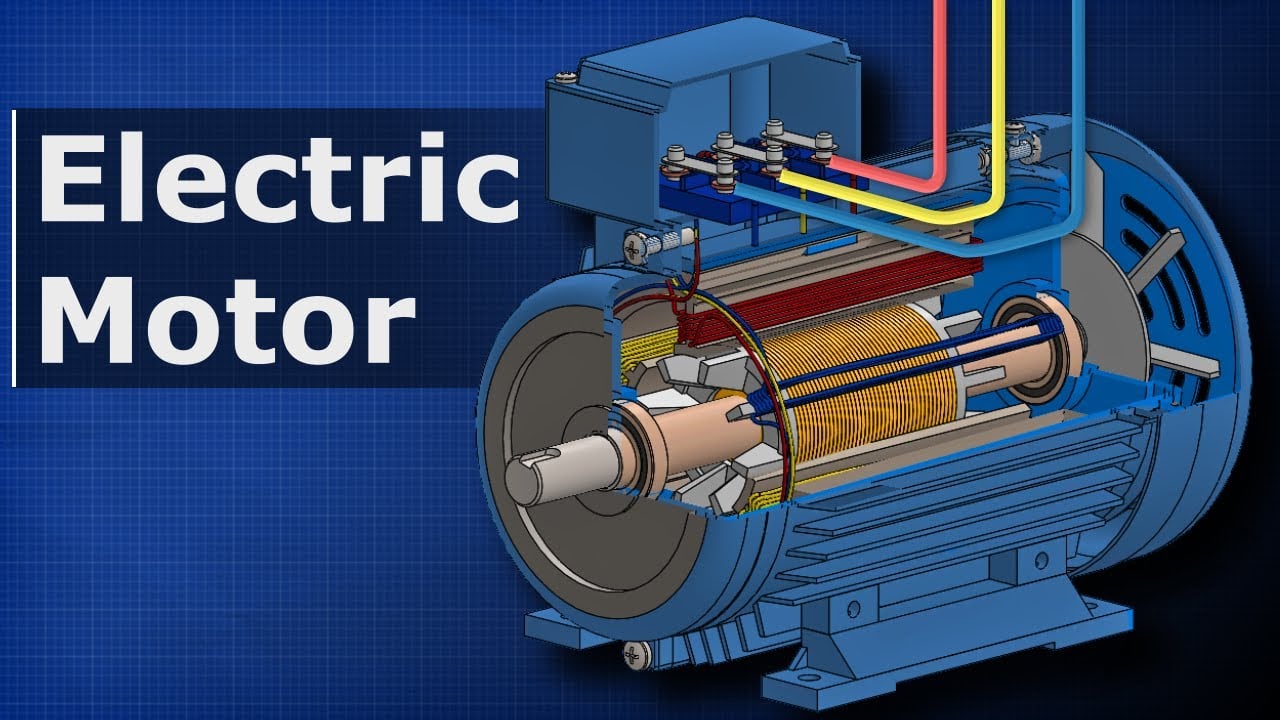
ประวัติการศึกษาโดย The Engineering Mindset: หลักการทำงานของมอเตอร์ไฟฟ้า: มอเตอร์เหนี่ยวนำไฟฟ้ากระแสสลับสามเฟส. วิดีโอนี้สนับสนุนแนวคิดทางวิศวกรรมพื้นฐาน และไม่สามารถใช้แทนข้อกำหนดด้านการป้องกันอัคคีภัยเฉพาะของโครงการได้.
คำถามที่มักถูกถาม
Can I size the motor only at rated pump flow?
No. Review the applicable pump power curve and the requirements governing motor selection across the operating range.
Is a soft starter always best?
No. The starting method must be approved, reliable, and compatible with motor torque, source capacity, controller, and project requirements.
Why check generator voltage dip?
Low voltage during starting can prevent acceleration or disturb other emergency loads.
Can normal overload protection stop a fire pump?
Fire pump controller protection and operating logic are specialized. Follow the approved listed arrangement.
รายการตรวจสอบการยืนยันขั้นสุดท้าย
ก่อนการอนุมัติ ให้ตรวจสอบยืนยันเกณฑ์พื้นฐานด้านไฮดรอลิก สภาพแหล่งน้ำ กราฟปั๊มที่เลือก ข้อมูลชุดขับเคลื่อนและชุดควบคุม พิกัดความดันของส่วนประกอบ การจัดเรียงวาล์ว วิธีการทดสอบ การเข้าถึง การระบายน้ำ สัญญาณเตือน และขั้นตอนการคืนสภาพ ให้แก้ไขข้อแตกต่างระหว่างแบบแปลนและระบบที่ติดตั้งจริง ระหว่างการว่าจ้าง ให้ใช้อุปกรณ์ที่ได้รับการสอบเทียบและบันทึกความดันดูด ความดันจ่าย อัตราการไหล ความเร็ว สภาพชุดขับเคลื่อน สัญญาณเตือน และข้อสังเกตที่ผิดปกติ ณ จุดที่กำหนดทุกจุด จัดเก็บผลลัพธ์ที่ได้รับการยอมรับไว้กับบันทึกของห้องเครื่องสูบน้ำ เพื่อให้การตรวจสอบครั้ง ภายหลังสามารถเปรียบเทียบข้อมูลที่เทียบเคียงกันได้.