
A pump for septic tank service must be selected from the liquid and the chamber duty, not from horsepower alone. First identify whether the pump moves clarified effluent, screened wastewater, or raw sewage containing solids. Then define design flow, total dynamic head, solids size, chamber dimensions, minimum and maximum liquid levels, starts per hour, discharge piping, check valve, alarm, electrical supply, and access for removal. Effluent, sewage, grinder, and ordinary sump pumps are not interchangeable. The final pump and control arrangement must match the septic-system designer's documents, local health requirements, and the manufacturer's published operating limits.
هذا الدليل هو إطار هندسي ومشتريات مبكر، وليس بديلاً عن تصميم المشروع المعتمد، أو اللوائح الحالية، أو تعليمات الشركة المصنعة، أو إشراف الموقع المؤهل. تتطلب الأعمال الكهربائية، والاختبارات تحت الجهد، والرفع، والعمل في الأماكن المغلقة، وأعمال الحماية من الحريق، والحفر، والسوائل الخطرة، ومياه الصرف الصحي، والأنظمة المضغوطة إجراءات خاصة بالمهمة وأفراداً أثبتا كفاءتهم. حافظ على الحماية التلقائية وتوفر النظام أثناء التحقيق في الأعطال. إذا كان السائل الفعلي، أو الواجب، أو حالة الموقع، أو المتطلبات الحاكمة تختلف عن الافتراضات، فتوقف واحصل على مراجعة فنية معدلة.
Identify what the pump will actually handle
A septic system may place a pump after the primary tank, in a separate dosing chamber, or in a sewage collection basin. Liquid leaving a properly functioning septic tank can still carry suspended solids, grease, fibers, and corrosive gases. A pump moving clarified effluent normally faces a different solids duty from a pump receiving raw sewage. Ask for a process sketch that shows every chamber, screen, baffle, filter, inlet, overflow, and discharge destination. Record the largest expected solids and whether wipes, rags, grit, or fibrous material can enter. Do not choose a grinder pump merely because the word septic appears in the request; grinding changes maintenance, controls, and downstream assumptions. Likewise, a small sump pump intended for clean drainage is not automatically suitable for wastewater. The liquid description should be written into the request for quotation so every supplier evaluates the same service.
احسب التدفق وإجمالي الرأس الديناميكي
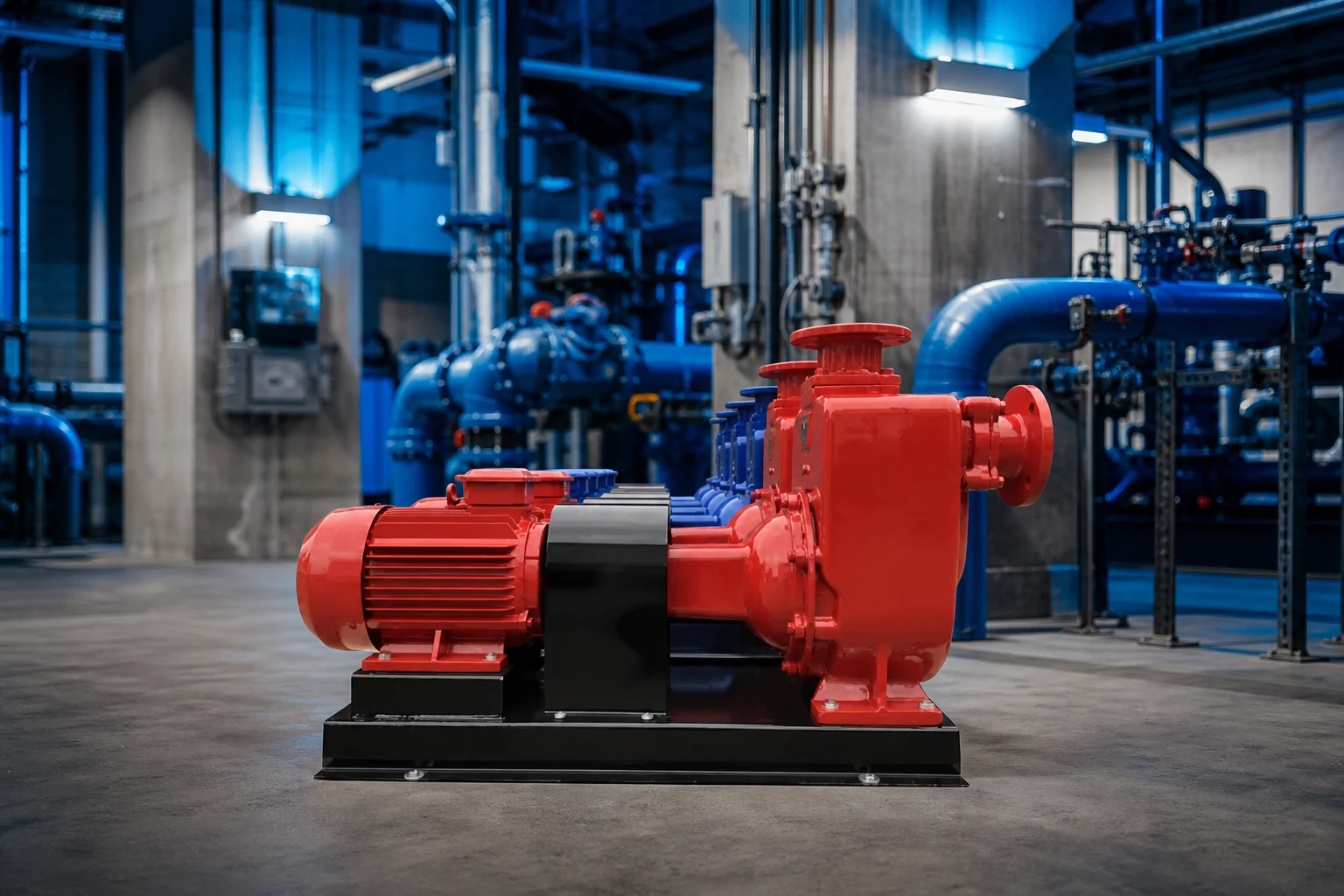
Flow should follow the dosing requirement, inflow pattern, storage volume, and permissible operating cycle. Total dynamic head combines vertical rise from the operating liquid level to the discharge point, required pressure at the destination, and friction through pipe, fittings, check valves, isolation valves, filters, and force mains. Calculate friction at the proposed flow and pipe inside diameter rather than copying a nominal pipe size. Check both the normal start level and the lowest operating level because the static component changes as the chamber is pumped down. Plot the resulting duty point on the certified pump curve and review the whole expected range. A pump that empties the chamber too quickly may cycle excessively; one that is too small may allow the level to rise during peak inflow. The designer should also check emergency storage and the response time after a high-level alarm.
Match solids passage, hydraulics, and motor load
Compare the pump's published solids passage and hydraulic design with the actual waste stream. Vortex, channel, cutter, and grinder arrangements behave differently and should be selected from evidence, not from a generic preference. Review the curve, efficiency, absorbed power, shutoff head, minimum recommended flow, and motor loading at every credible operating point. The discharge pipe and check valve must not create a passage smaller than the project intends to handle. Confirm whether the motor depends on surrounding liquid for cooling and whether the low-level control preserves the required submergence. Frequent starts can heat the motor and shorten contactor life, so chamber volume and level spacing matter. Where two pumps are required, define duty, assist, standby, alternation, and failure behavior instead of simply listing two identical units.
جدول قرار المشروع
| إخلاء القرار | What to confirm | Selection consequence |
|---|---|---|
| Liquid stage | Effluent, screened wastewater, or raw sewage | Defines hydraulic passage and pump type |
| Design flow | Dose, peak inflow, storage and cycle limits | Sets curve duty and chamber drawdown |
| Total dynamic head | Static lift, pressure and friction | Sets required pump head |
| Solids and fibers | Maximum size and actual waste stream | Sets passage, impeller or grinding need |
| Level spacing | Off, lead, lag and high alarm elevations | Controls submergence and starts per hour |
| Maintenance access | Guide rails, lifting and isolation | Allows removal without tank entry |
Design controls, alarms, and level settings
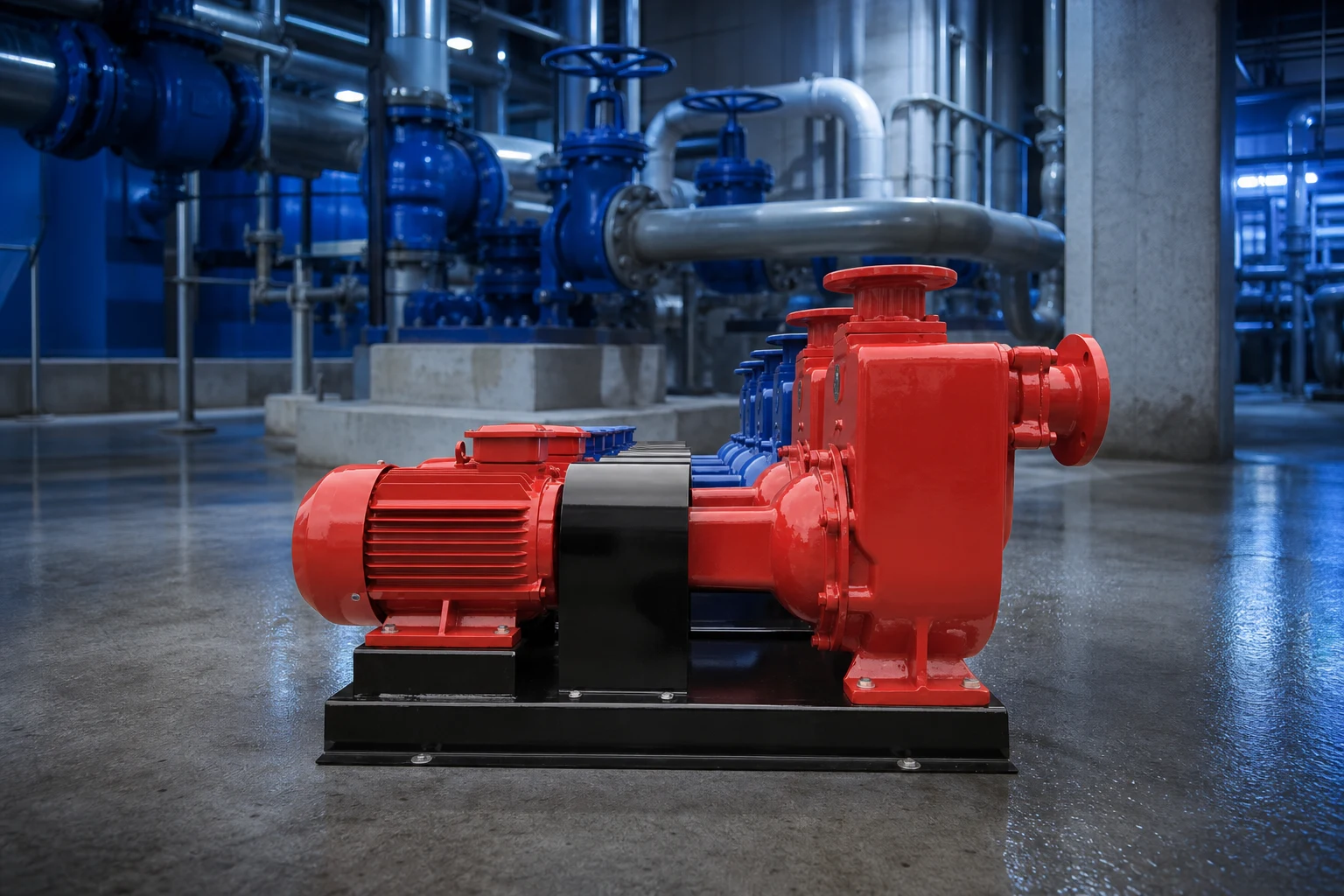
A workable control sequence normally separates pump-on, pump-off, high-level alarm, and any redundant shutdown or backup level. Floats need enough clearance to move without fouling on cables, pipework, walls, grease, or turbulence. Alternative level sensors also require installation and maintenance provisions. State whether the controller alternates pumps, starts the second pump on high inflow, records runtime and starts, reports overload, or sends a remote alarm. The alarm circuit should remain effective when the normal pump circuit fails, subject to the approved electrical design. Verify phase, voltage, overload protection, cable length, junction location, sealing, grounding, and the suitability of every component for the environment. Never enter a tank or chamber to adjust a control without an approved confined-space procedure and qualified personnel.
Plan piping, access, and safe maintenance
Provide an isolation valve, suitable check valve, union or guide-rail arrangement, lifting chain or rated lifting device, and enough access to remove the pump without entering the chamber. Support discharge piping so the pump does not carry pipe loads. Route cables separately from lifting equipment and protect penetrations against leakage and gas migration as required by the design. The cover must control unauthorized access while allowing inspection and removal. Locate the chamber where service vehicles and technicians can work without traffic, fall, or electrical hazards. Ventilation, gas testing, fall protection, lockout, sanitation, and confined-space controls are site responsibilities. A supplier drawing should show chamber diameter, rail position, discharge connection, valves, level devices, cable route, and minimum removal clearance before concrete or piping is finalized.
Commission the pump as a complete system
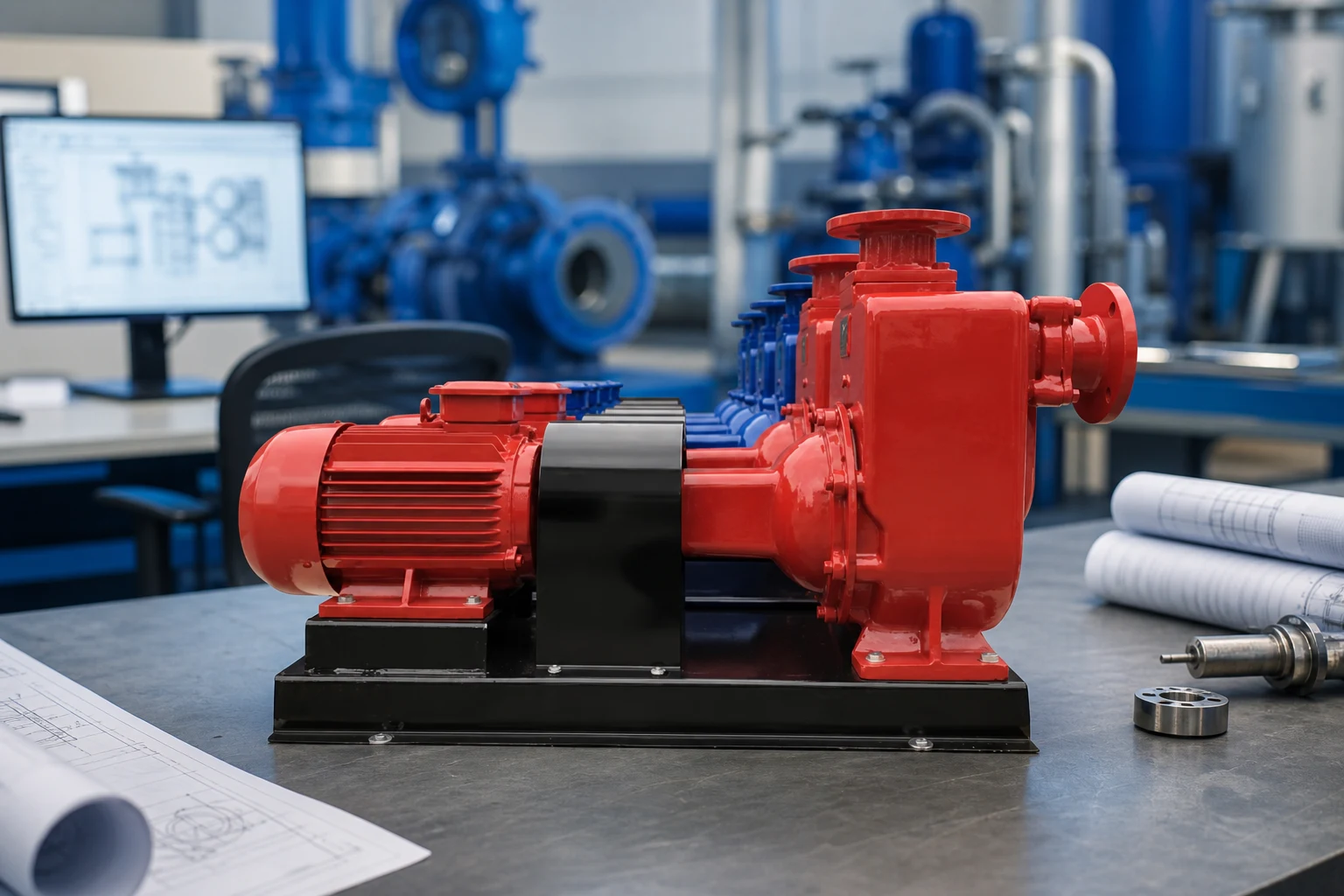
Before commissioning, remove construction debris, verify free movement of level devices, inspect valves and piping, test insulation and continuity using approved procedures, confirm rotation where applicable, and check the controller logic without bypassing protection. Run clean-water or approved functional tests when the project procedure allows, then observe actual operation at representative levels. Record start and stop elevations, drawdown time, estimated flow, discharge pressure where available, motor current, voltage, alarm operation, pump alternation, check-valve closure, leaks, vibration, and abnormal noise. Confirm that the downstream system accepts the discharge. Establish a baseline of runtime and starts so future changes reveal infiltration, blockage, wear, or control drift. Commissioning is incomplete if the pump runs but the high-level alarm, standby sequence, or safe removal arrangement has not been demonstrated.
سجل مقارنة الموردين والقبول
يجب أن تستخدم مقارنة الموردين الكاملة ورقة بيانات عامة واحدة. ضع نقاط التصميم والتشغيل البديلة، السائل، درجة الحرارة، المواد الصلبة، ارتفاع الموقع، الطاقة، أدوات التحكم، التركيب، ساعات التشغيل، الكمية، الوجهة، والمستندات المطلوبة في الأعلى. قم بتوحيد الاختلافات في النطاق قبل مقارنة السعر أو الكفاءة. اطلب منحنى معتمدًا أو بيانات سعة، والطاقة الممتصة، حدود التشغيل، المواد، الأبعاد، الوزن، الوصلات، المحرك أو المشغل، وحدة التحكم، الملحقات، الاختبارات، الحفظ، قطع الغيار، تعليمات التركيب، وحدود الضمان. سجل كل انحراف وافتراض غير محلل. أثناء المراجعة الفنية، تتبع كل ميزة معروضة وصولاً إلى مدخلات المشروع بدلاً من منح نقاط لميزات لا يحتاجها واجب العمل. أثناء التشغيل التجريبي، قس نفس المتغيرات المستخدمة في الاختيار بحيث يمكن مقارنة النتيجة المثبتة مع الأساس الأصلي. إذا كانت ظروف الموقع مختلفة، قم بتحديث الحساب واجصل على موافقة مسؤولة قبل تغيير المعدات أو إعدادات الحماية.
تكامل النظام وتخطيط دورة الحياة
تعامل مع المضخة كعنصر واحد في نظام هيدروليكي ونظام تحكم متكامل. قم بمراجعة المصدر، ومأخذ التغذية، وترتيب السحب أو المدخل، والمضخة، والمحرك، وأنابيب التصريف، والصمامات، والأجهزة، وأدوات التحكم، والطاقة، والصرف، والأساسية، ومسار الرفع، ونظام الاستقبال على نفس الرسم. تأكد من التشغيل العادي، والطلب الأدنى والأقصى، والتشغيل، والإيقاف، والمسارات المسدودة أو المغلقة، وفقدان الطاقة، والتحويل الاحتياطي، والاستجابة للإنذار، والتنظيف، وعزل الصيانة. تتسبب نقاط التداخل في حدوث العديد من الأعطال: فالمضخة المختارة بشكل صحيح قد يظل أداؤها ضعيفاً لأن الإمداد المتاح يختلف عن المستوى المفترض، أو لأن الأنبوب أصغر من المقرر، أو لأن الصمام يواجه ضغطاً مفقوداً غير متوقع، أو لأن وحدة التحكم تستخدم موقع مستشعر خاطئ، أو لأن إمكانية الوصول للصيانة قد أُزيلت أثناء التصميم المدني. قم بتسوية ملكية نقاط التداخل قبل الشراء. لا يمكن لمورد المضخة الموافقة على المبنى، أو البئر، أو عملية مياه الصرف الصحي، أو نظام الحماية من الحريق، أو التصريف البيئي، أو التركيب الكهربائي ما لم يتم تضمين هذه المسؤولية صراحةً ودعمها بمراجعة مؤهلة.
يجب أن يبدأ تخطيط دورة الحياة قبل الشحن ويستمر طوال كل تغيير تشغيلي موثق. قم بتحديد ساعات التشغيل المتوقعة، وعدد مرات البدء، وفترات الاستعداد، ظروف التخزين، مسار الفحص، طريقة الإزالة، سعة الرفع، متطلبات التنظيف، المواد الاستهلاكية، قطع الغيار الحرجة، أدوات الخدمة، والبيانات التي سيقوم المشغلون بتتبعها. قم بإنشاء قراءات خط الأساس أثناء القبول واحتفظ بها مع منحنى الأداء، ورقة البيانات، الرسومات، إعدادات وحدة التحكم، الشهادات، الأدلة، وقائمة القطع. يجب أن يكون الفني المستقبلي قادراً على معرفة الخدمة التي تمت الموافقة عليها، وما تم قياسه عند بدء التشغيل، وما الذي تغير. عندما يتدهور الأداء، قارن الأدلة قبل استبدال المعدات. غالباً ما تفصل التدفق، والضغط، والمستوى، واليار، والطاقة، والاهتزاز، ودرجة الحرارة، ووقت التشغيل، وعدد مرات البدء، والإنذارات، وحالة السوائل بين الأسباب الهيدروليكية والميكانيكية والكهربائية وعمليات التشغيل. هذا السجل يقلل من الاستبدال غير الضروري ويدعم اتخاذ قرار أكثر أماناً عندما لم تعد ظروف التشغيل تتطابق مع الاختيار الأصلي.
كيف يرتبط هذا الموضوع بمعدات BORRAPUMP
يدعم هذا الدليل المراجعة المبكرة لـ pump for septic tank مسار التطبيق. إنه لا يعين نموذجاً نهائياً أو يدعي أن تكوينًا قياسيًا واحدًا يناسب كل مشروع. أرسل نقاط التشغيل، والبيانات السائلة، ومخطط الموقع، ومصدر الطاقة، وأدوات التحكم، والكمية، والوجهة، والموافقات المطلوبة، ونطاق الفحص بحيث يمكن التحقق من المنتج المقترح مقابل الخدمة الحقيقية.
أدلة الهندسة الخاصة بـ BORRAPUMP ذات الصلة
مصادر موثوقة ومزيد من التعلم
أنظمة الصرف الصحي التابعة وكالة حماية البيئة الأمريكية; OSHA permit-required confined spaces; OSHA electrical safety-related work practices. توفر هذه المصادر سياقاً عاماً للسلامة أو البيئة أو الهندسة. تظل القواعد الحالية المعتمدة، ووافقات المشاريع، وتعليمات المعدات هي التي تحكم.
فيديو تعليمي من إنتاج براكتيكال إنجينيرينغ: هل المضخات تولد ضغطاً أم تدفقاً؟. إنه يوضح المبادئ الأساسية ولا يحل محل التعليمات الخاصة بالمشروع.
الأسئلة الشائعة
هل يمكن استخدام مضخة الحوض في خزان الصرف الصحي؟
فقط إذا وافقت الجهة المصنعة ومصمم النظام على ذلك بالنسبة للسائل الفعلي، والمواد الصلبة، والرفع، ودورة التشغيل، والبيئة، وأدوات التحكم. مضخة المستنقعات المخصصة للمياه النظيفة ليست بالضرورة مضخة لمياه الصرف الصحي أو النفايات السائلة تلقائياً.
ما هو حجم مضخة الصرف الصحي التي أحتاجها؟
التحديد يتم بناءً على التدفق المطلوب، وإجمالي الرأس الديناميكي، ومعدل التعامل مع المواد الصلبة، وحجم الغرفة، وحدود دورة التشغيل، ومنحنى المضخة المعتمد. القدرة الحصانية وحدها ليست طريقة لتحديد المقاس.
هل مضخة الطحن أفضل دائمًا؟
لا. المطحنة مفيدة فقط حيثما يتطلب النظام المعتمد تقليل الحجم. وهي تضيف اعتبارات صيانة مختلفة واعتبارات لاحقة في التدفق.
لماذا يحتاج الإنذار عالي المستوى إلى اهتمام منفصل؟
يجب أن يُنذر الإنذار بارتفاع منسوب المياه عندما تعذر الضخ العادي. كما يجب تحديد والتحقق من مصدر طاقته، ومستشعره، ومسار الإشععار، وإجراءات الاختبار الخاصة به.
نقطة تفتيش المشروع النهائي
قبل تأكيد الطلب أو إجراء أي تغيير ميداني، قم بمطابقة الواجب والمخططات المعتمدة مع بيانات المورد، والمواد، والأبعاد، والأوزان، والوصلات، ومشغل التشغيل، وأدوات التحكم، والملحقات، الحماية، ونطاق الاختبار، والوثائق، وقطع الغيار، وطريقة التركيب، وإمكانية الوصول للصيانة، ومتطلبات وجهة الوصول. قم بتسجيل الافتراضات المتبقية وتحديد المسؤولية عن إغلاقها. يجب أن تكون المعلومات النهائية المقبولة هي الأساس ذاته المستخدم للتركيب، والتشغيل التجريبي، والصيانة المستقبلية.