
A residential booster pump is worth evaluating when verified inlet flow exists but dynamic pressure at the highest fixture falls below the project target during peak use. For low-rise apartments, townhouses, and small multi-unit buildings, selection starts at the top fixture: measure inlet pressure, estimate simultaneous demand, add elevation and friction loss, then match a package curve and control strategy before requesting a quote.
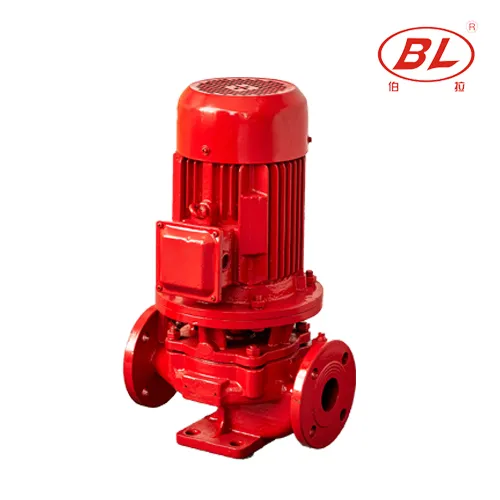
Part 1. When Does a Low-Rise Building Need a Residential Booster Pump?
Weak shower flow on upper floors, slow fill at remote fixtures, and complaints after a backflow preventer was added are common triggers. PHCP Pros notes that multi-story hospitality, multifamily, office, and institutional buildings often need pressure-boosting equipment because municipal static pressure does not cover upper levels after elevation and friction losses.
A booster adds energy to water that is already available. It does not replace a missing source. If the supply cannot deliver the required flow at the inlet during peak demand, the first fix is source capacity, pipe sizing, or storage—not a larger booster nameplate.
Typical situations where a residential or small commercial booster is discussed:
- Municipal pressure is acceptable at the entry but inadequate at the top floor during peak use.
- A gravity tank or long service line leaves very low pressure at the building entry, as described in Houzz homeowner discussions.
- A new backflow assembly or filtration train reduced downstream pressure. Armstrong Fluid Technology cites roughly 7–10 psi loss as a common reason older buildings later need boosting.
This guide covers building potable pressure boosting for low-rise and small multi-story projects. It is not a fire-sprinkler pump selection guide and not an irrigation-only pump guide. For taller commercial towers, also review water booster pump sizing for high-rise buildings.
Part 2. What Pressure and Flow Should You Design at the Top Fixture?
Selection should be anchored at the highest and most distant fixture expected to operate during peak domestic demand. Watermainsupply and several U.S. residential guides discuss a typical design target around 45–60 psi at the top fixture for acceptable fixture performance, with the exact value subject to local plumbing code, fixture specifications, and engineer approval.
Peak flow is not the sum of every fixture in the building. Use an approved demand method:
- Fixture-unit counts with an accepted demand curve for the jurisdiction.
- Engineering methods referenced under IPC-style “accepted engineering practice” discussions in ASPE/IAPMO peak demand work.
- For early budgeting, conservative simultaneous-use estimates by unit count and bathroom groups.
| Input | Why it matters | Common mistake |
|---|---|---|
| Highest fixture location | Sets static lift in the building | Sizing only at the ground floor |
| Peak simultaneous flow | Defines pump operating point | Adding every fixture as if always open |
| Required pressure at fixture | Sets residual head target | Using pump maximum pressure as design pressure |
| Inlet pressure at peak flow | Defines required boost | Using static inlet only, ignoring dynamic drop |
Part 3. How Do You Calculate the Required Boost and Total Head?
PHCP Pros breaks total pumping head into:
- HS — static lift to the highest fixture.
- HF — friction loss through pipe, fittings, meters, filters, and valves at peak flow.
- HR — residual pressure required at the fixture, converted to head.
- HI — available inlet pressure at the booster suction during peak flow.
The booster must overcome the difference between what the system needs at the discharge point and what the inlet can provide at the same operating condition. Elevation adds roughly 0.433 psi per foot of lift in U.S. customary units, which is why a four-story building can lose usable pressure even when ground-floor pressure looks acceptable.
Practical sequence:
- Measure dynamic inlet pressure at peak-ish demand, not only static pressure with no flow.
- Define peak flow for the building or zone served by the booster.
- Calculate total head required at the critical fixture.
- Plot the duty point on a pump curve and confirm the operating point is inside the allowable region, including NPSH and minimum suction pressure where applicable.
- Add a modest margin for future fittings or filter loading, but avoid gross oversizing.
If you need the broader definition of what a booster does in a building system, see what is a booster pump. For suction-related failures, review booster pump cavitation causes and fixes.
Part 4. Should You Choose a Constant-Speed or VFD Booster Package?
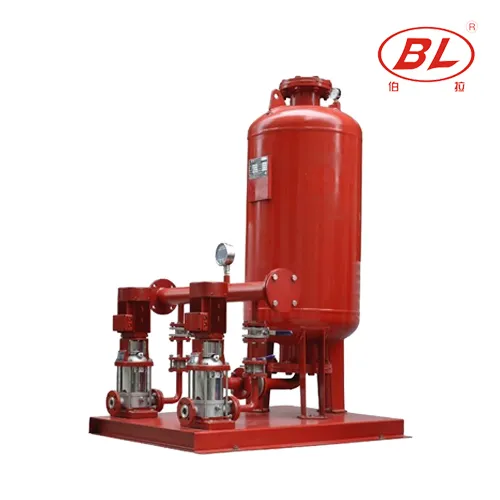
Demand in most residential and small multifamily buildings is highly variable. Armstrong Fluid Technology and common industry guidance position variable-speed drives as a strong fit when the goal is stable pressure across a wide flow range with lower cycling.
| Control approach | Strength | Risk if misapplied |
|---|---|---|
| Constant-speed on/off | Simple, lower first cost | Pressure fluctuation and short cycling at partial load |
| Constant-speed multi-pump staged | Better load sharing | Complexity if staging is not matched to profile |
| VFD / variable speed | Smoother pressure, better low-flow behavior | Controls and sensor placement must be correct |
For a deeper comparison inside the BORRAPUMP cluster, see constant speed vs VFD booster pump selection. Final control architecture should follow the package manufacturer’s documentation and the project engineer’s specification.
Part 5. Do You Need a Pressure Tank, Expansion Tank, or Both?
These are different problems.
- A hydropneumatic / pressure tank can reduce short cycling and help some constant-speed systems ride through small demand changes.
- A thermal expansion tank protects closed plumbing volumes when heated water expands. Houzz discussions on booster-related T&P relief issues show why boosted systems need attention to expansion control and setpoints.
Do not assume one small tank solves every boosted building. Tank volume, pre-charge, location, and whether the issue is hydraulics or thermal expansion must be determined for the actual layout. If a booster occasionally drives pressure well above the target, check control setpoints, valve leakage, and expansion device sizing before upsizing the pump.
Installation location also matters. Boosters are commonly placed after the meter on indoor potable systems, but final location depends on access, freeze protection, suction conditions, noise, and local requirements. The general booster pump installation guide covers broader installation sequencing; this article does not replace that guide.
Part 6. What Happens When a Booster Pump Is Oversized or Undersized?
An undersized booster cannot hold target pressure when several fixtures open at upper floors. An oversized booster can create rapid on/off cycling, unnecessary energy use, and control instability. ASPE domestic booster design commentary emphasizes matching pump count and speed control to real load profiles instead of selecting one large pump for a brief daily peak.
Warning signs after startup:
- Top-floor pressure still sags when two or more fixtures run.
- Pump cycles frequently with little demand.
- Pressure spikes above the target when a single fixture opens.
- Noise, vibration, or repeated motor overheating.
When those symptoms appear, re-check the duty point, suction pressure, control differential, tank condition, and whether the building actually needs source work instead of more boost.
Part 7. Which BORRAPUMP Routes Fit, and What Should an RFQ Include?
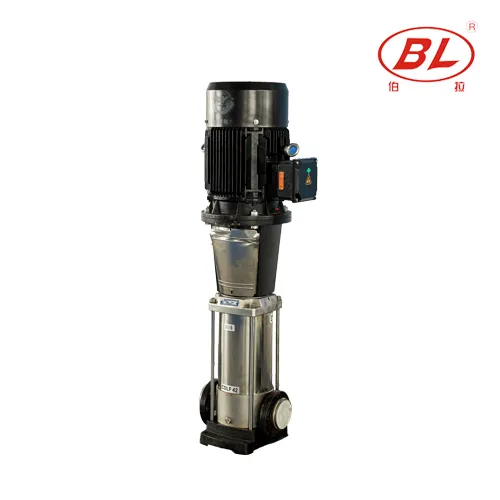
BORRAPUMP supplies building water-boosting equipment for export projects. Final model selection remains subject to verified duty data and engineering review. Three common routes for low-rise and small multi-story potable boosting are:
| Project signal | BORRAPUMP route | Notes |
|---|---|---|
| Packaged booster/regulator for building water supply | Booster Regulator Water Supply Equipment | Useful when a packaged boosting route is preferred |
| Vertical inline booster in a mechanical room | ISG Vertical Inline Boost Water Pump | Review inline installation and duty fit with project engineer |
| Vertical multistage boosting | CDL(F) Vertical Multistage Jockey Pump | Evaluate multistage curve fit for pressure and flow |
For vertical inline selection language, the cluster article vertical booster pump selection guide may also help.
RFQ checklist
| Data item | Why the supplier needs it |
|---|---|
| Building type and floor count | Sets static lift and use profile |
| Municipal or well source description | Defines inlet condition |
| Measured inlet static and dynamic pressure | Sets boost requirement |
| Peak flow estimate or fixture-unit basis | Sets pump operating point |
| Target pressure at top fixture | Sets residual requirement |
| Pipe route, meter, filter, and backflow losses | Sets friction allowance |
| Electrical supply and preferred control | Matches motor/VFD package |
| Installation environment | Indoor, pump room, ambient, access |
| Quantity, destination, and delivery expectation | Export quotation inputs |
Send the completed table through contact Borra or your usual export channel.
Fit Boundary
This article supports potable pressure boosting for low-rise residential and small multi-unit buildings. It does not certify code compliance, approve a pump for fire protection, or guarantee that a residential-sized package is correct for every jurisdiction. Fire service, irrigation-only boosting, and sites with inadequate source flow need a different design path.
FAQ
What size residential booster pump do I need?
Size from peak simultaneous flow and total head at the highest fixture, not from horsepower alone. Measure inlet pressure under flow, define the top-fixture target, and compare the duty point to a pump curve.
Can a booster pump increase pressure on the top floor only?
A booster serves the zone it is piped to protect. Pressure still depends on pipe size, elevation, and simultaneous use. Poor distribution or undersized risers can leave upper fixtures weak even with a booster installed.
Do residential booster pumps need a pressure tank?
Some systems benefit from a hydropneumatic tank to reduce cycling; boosted systems with water heaters may also need proper thermal expansion protection. Tank type and size depend on control method and layout.
What is a safe target pressure for household fixtures?
Many residential design discussions use roughly 45–60 psi at the highest fixture as a planning range, but local code, fixture limits, and engineer review govern the final value.
Where should a booster pump be installed?
Common practice places the booster on the building potable supply after the meter or source entry, but freeze protection, suction condition, noise, and service access must be considered. Follow local code and manufacturer instructions.
Why does a booster pump short-cycle?
Frequent starts often come from oversizing, narrow control differentials, tank issues, leaks, or very small intermittent draws. Check demand profile and controls before replacing the pump with a larger model.
Can one booster serve multiple units in a small apartment building?
Yes, if the riser design, peak demand estimate, and pressure target are based on the combined building load rather than a single apartment. Zoning and standby expectations should be defined early.
What data should I send a pump supplier?
Provide floor count, source type, inlet pressures, peak flow basis, top-fixture target, major friction components, power available, installation environment, and project destination.