
A clogged pump suction pipe usually shows up as reduced flow, lower suction pressure, unstable discharge, noise, cavitation-like symptoms, longer fill time, or a change in motor load. Confirm the symptom with gauges and operating data before opening equipment. Then isolate and lock out the pump, remove pressure, verify the liquid hazard, and inspect the easiest restrictions first: source level, suction valve, strainer, foot valve, hose collapse, air leak, and intake blockage. Do not keep running a starved centrifugal pump; it can damage seals, impellers, bearings, and the liquid itself.
Panduan ini adalah kerangka kerja rekayasa dan pengadaan awal, bukan pengganti desain proyek yang disetujui, peraturan yang berlaku, instruksi produsen, atau pengawasan situs yang berkualifikasi. Pekerjaan kelistrikan, pengujian bertegangan, pengangkatan, memasuki ruang terbatas, pekerjaan perlindungan kebakaran, penggalian, cairan berbahaya, air limbah, dan sistem bertekanan memerlukan prosedur khusus tugas dan personel yang kompeten. Pertahankan perlindungan otomatis dan ketersediaan sistem saat menyelidiki gangguan. Jika cairan, tugas, kondisi situs, atau persyaratan yang mengatur sebenarnya berbeda dari asumsi, hentikan dan dapatkan tinjauan teknis yang direvisi.
- Recognize restriction without guessing
- Inspect source, valves, strainers, and flexible hose
- Find air leaks and loss of prime
- Isolate and remove an internal blockage safely
- Prevent repeat blockages through system design
- Recommission and verify the root cause is removed
- Tabel keputusan
- Pertanyaan yang sering diajukan
Recognize restriction without guessing
Compare current flow, suction and discharge pressures, speed, power or current, vibration, sound, and liquid level with the commissioning baseline at the same valve and process condition. A suction restriction often increases suction vacuum or reduces absolute suction pressure while flow falls, but instrument location and system geometry matter. A blocked discharge, worn impeller, wrong rotation, entrained air, low speed, closed valve, or process change can produce similar low-flow symptoms. Cavitation noise may result from low source level, hot liquid, high suction loss, or excessive flow rather than a physical plug. Establish when the change began and whether it follows cleaning, maintenance, rainfall, batch change, tank level, or parallel-pump operation. Do not dismantle the pump until the evidence points to the suction side.
Inspect source, valves, strainers, and flexible hose
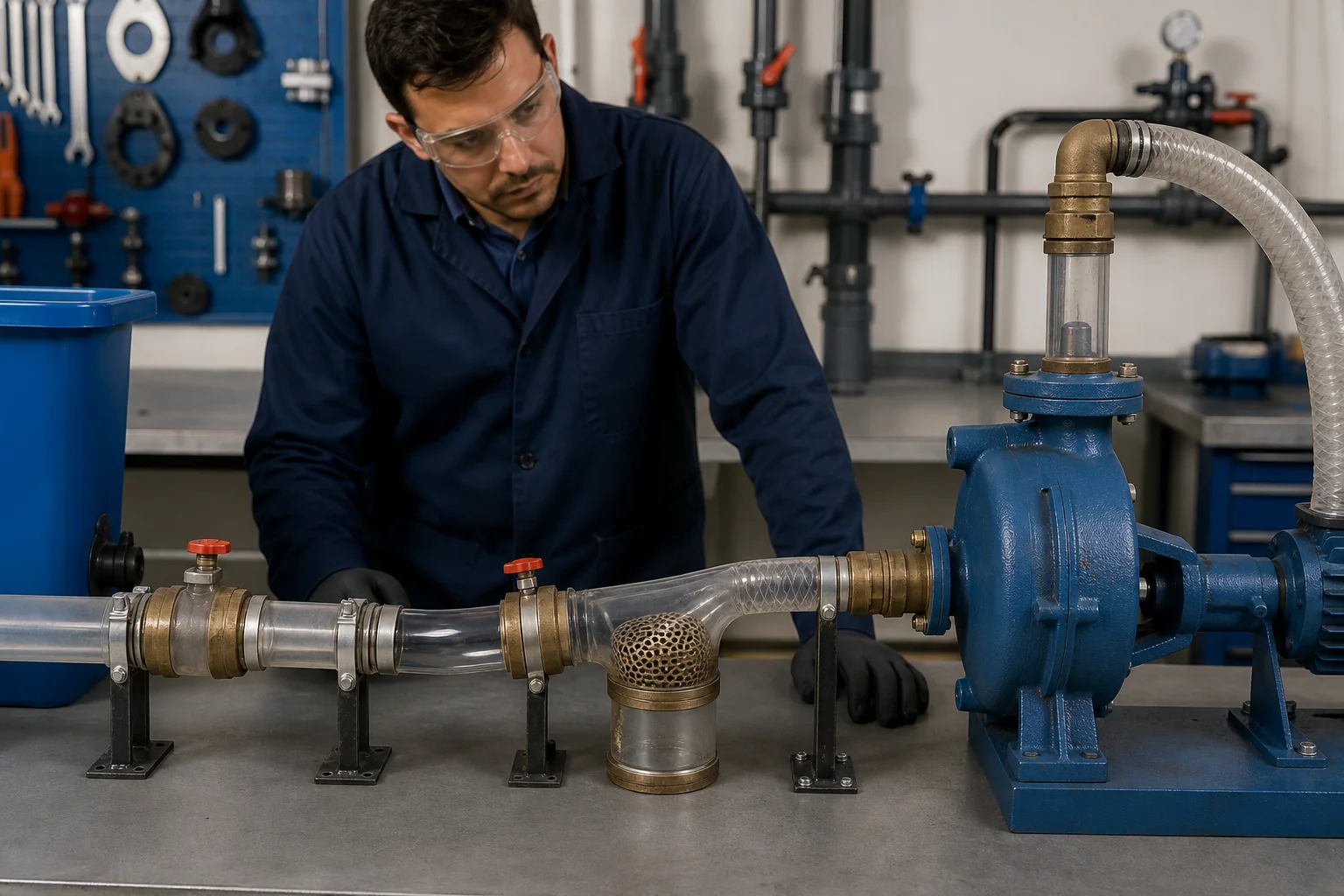
Check actual source level and pressure, vortexing, sediment, floating debris, ice, and intake submergence. Verify every suction valve position and confirm that a gate or internal disc has not detached. Inspect strainers, baskets, foot valves, temporary screens, reducers, gaskets, and flexible connectors. A hose can collapse under vacuum even when it looks normal while stopped; its liner may delaminate internally. Check for kinked routes, high points, unsupported weight, and undersized fittings. Differential pressure across a strainer is useful when taps are correctly located and gauges are reliable. Clean components through the approved method and capture removed material for root-cause review rather than washing away evidence.
Find air leaks and loss of prime
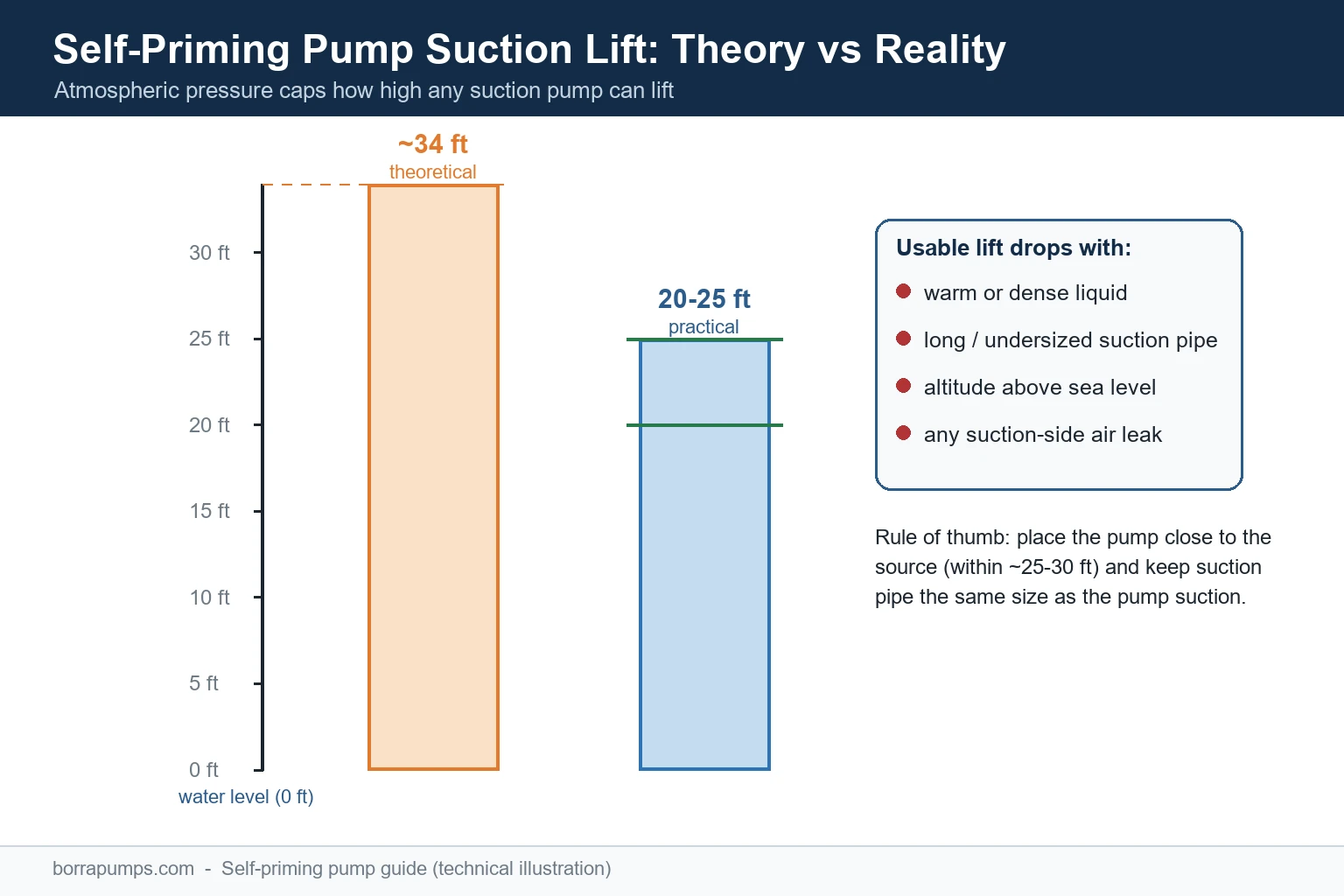
On suction lift systems, small air leaks can prevent prime without leaking liquid outward. Inspect flanges, gaskets, threaded joints, valve stems, instrument connections, drain plugs, casing seals, hose couplings, and the foot valve. Use only approved leak-testing methods suitable for the liquid and pressure; never apply unsafe pressure or flame. Confirm the pump casing and priming chamber are filled as required and that the priming system, ejector, vacuum pump, separator, and non-return devices operate correctly. On flooded suction, verify that the source valve is open and the line is vented where needed. Repeated loss of prime after shutdown can point to a leaking check or foot valve, trapped gas, or a suction route that drains back.
Tabel keputusan proyek
| Observed symptom | Possible suction-side cause | Verifikasi |
|---|---|---|
| Low flow with higher suction vacuum | Blocked strainer or pipe restriction | Compare suction pressure and inspect differential |
| Intermittent flow and bubbles | Air leak, vortex or low level | Check source, joints and submergence |
| Prime lost after shutdown | Foot/check valve leak or drain-back | Observe hold condition and approved leak test |
| Hose flattens during operation | Insufficient vacuum rating or failed liner | Inspect dynamically and replace correctly |
| Rapid repeat blockage | Upstream debris, ragging, scale or sediment | Identify removed material and entry path |
| Flow remains low after cleaning | Other system or pump fault | Check speed, rotation, discharge and wear |
Isolate and remove an internal blockage safely
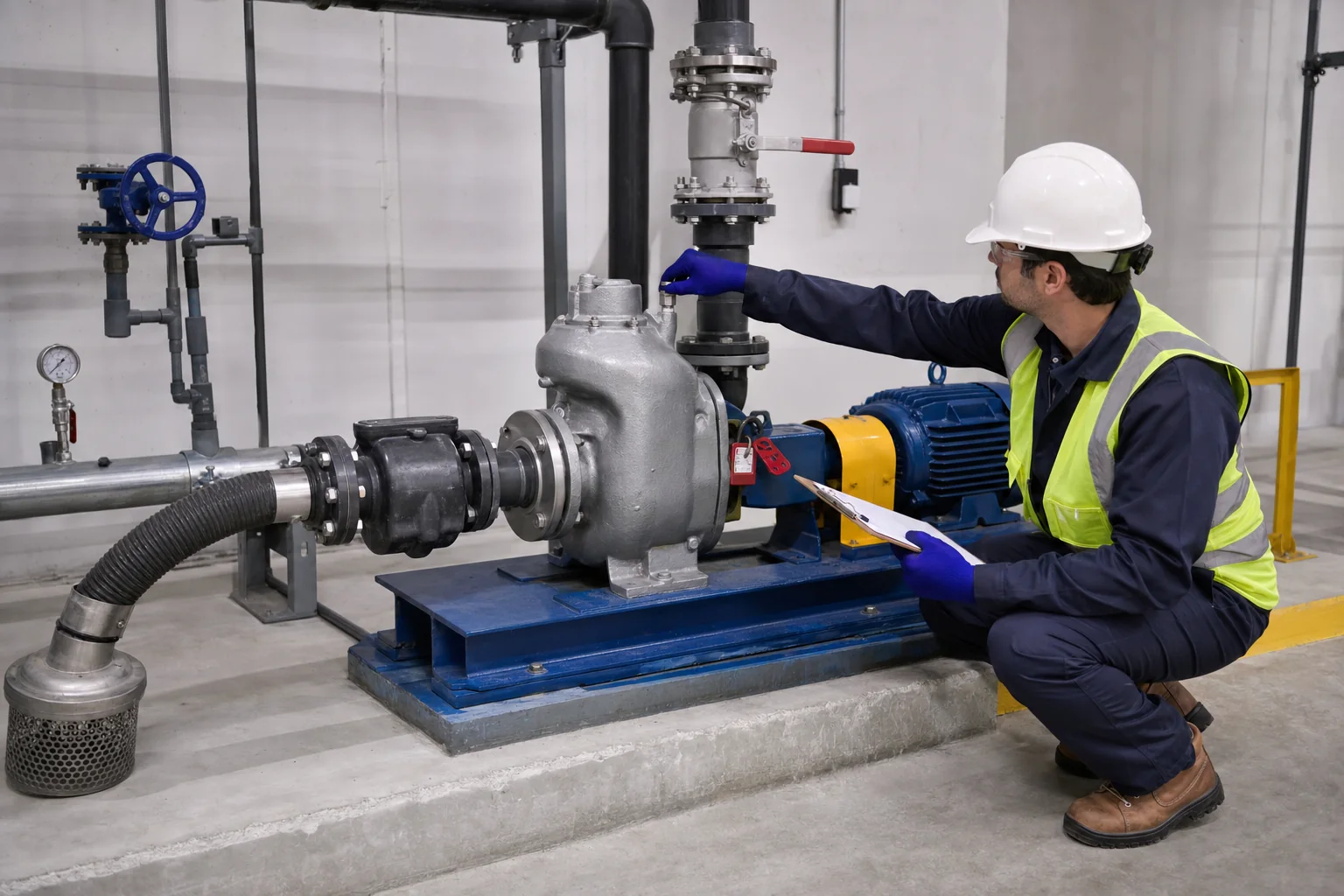
Review the safety data, temperature, pressure, biological hazard, confined-space risk, and environmental controls before opening the line. Stop the pump, isolate energy, close and secure valves, depressurize, drain to an approved location, verify zero energy, and provide containment. Heavy strainers and pipe sections need lifting plans. Use cleanout ports or removable spool pieces where designed rather than driving rods blindly through piping. Sharp debris, chemicals, and wastewater require appropriate tools and protective controls. After removal, inspect the material and its entry path. Ragging may need upstream screens or operating changes; scale may indicate chemistry or temperature; collapsed lining requires hose replacement; construction debris points to incomplete flushing. Restore gaskets, fasteners, supports, and valve positions under the approved procedure.
Prevent repeat blockages through system design
Match intake opening and strainer free area to the liquid and required flow. A finer screen reduces particle passage but can increase cleaning and suction loss. Provide accessible baskets, differential-pressure indication, duty/standby strainers, backwash, self-cleaning intake, or larger collection sumps where justified. Control velocity and avoid dead legs that collect solids. Keep the intake above settled sediment while maintaining submergence. For fibrous wastewater, select hydraulic passage and upstream handling together; a larger pump alone does not solve ragging. Include flushing and drain connections where they can be used safely. Operating procedures should define inspection triggers from pressure, flow, current, runtime, or level—not only a fixed calendar.
Recommission and verify the root cause is removed
Before restart, confirm all tools and debris are removed, covers and guards installed, valves positioned, vents and drains closed, piping supported, instruments restored, priming complete, and protection active. Start according to the pump procedure and observe suction pressure, discharge pressure, flow, speed, current, vibration, temperature, and leakage. Compare the readings with the original baseline and calculate whether the system operating point has returned. If the restriction recurs quickly, investigate the upstream process rather than repeating cleanout. Record the material, location, measurements before and after, photographs, maintenance action, and prevention recommendation. The goal is to restore hydraulic performance and remove the source, not simply to make the pump run for one shift.
Catatan pengadaan dan penerimaan
Perbandingan pemasok yang lengkap harus menggunakan satu lembar data umum. Letakkan titik desain dan tugas alternatif, cairan, suhu, padatan, ketinggian lokasi, daya, kontrol, pemasangan, jam operasional, kuantitas, tujuan, dan dokumen yang diperlukan di bagian atas. Normalisasikan perbedaan cakupan sebelum membandingkan harga atau efisiensi. Minta kurva bersertifikat atau data kapasitas, daya yang diserap, batas operasional, material, dimensi, berat, sambungan, motor atau penggerak, pengendali, aksesori, pengujian, pengawetan, suku cadang, petunjuk pemasangan, dan batasan garansi. Catat setiap penyimpangan dan asumsi yang belum diselesaikan. Selama tinjauan teknis, lacak setiap fitur yang ditawarkan kembali ke masukan proyek alih-alih memberikan poin untuk fitur yang tidak dibutuhkan oleh tugas tersebut. Selama komisioning, ukur variabel yang sama yang digunakan untuk pemilihan sehingga hasil yang terpasang dapat dibandingkan dengan dasar aslinya. Jika kondisi lapangan berbeda, perbarui perhitungan dan dapatkan persetujuan yang bertanggung jawab sebelum mengubah peralatan atau pengaturan perlindungan.
Bagaimana topik ini terhubung dengan peralatan BORRAPUMP
Panduan ini mendukung peninjauan awal terhadap industrial pump maintenance clogged suction pipe rute aplikasi. Ini tidak menetapkan model akhir atau mengklaim bahwa satu konfigurasi standar cocok untuk setiap proyek. Kirimkan titik tugas, data cairan, gambar lokasi, catu daya, kontrol, jumlah, tujuan, persetujuan yang diperlukan, dan lingkup inspeksi agar produk yang diusulkan dapat diperiksa terhadap servis yang sebenarnya.
Panduan teknik BORRAPUMP terkait
- pemecahan masalah pompa pancing otomatis
- self-priming pump cavitation checks
- pemecahan masalah pompa transfer air
Sumber tepercaya dan pembelajaran lanjutan
sistem pompa Departemen Energi AS; Pengendalian energi berbahaya OSHA; ruang terbatas OSHA. Sumber-sumber ini memberikan konteks keselamatan, lingkungan, atau teknik secara umum. Aturan yang berlaku saat ini, persetujuan proyek, da petunjuk peralatan tetap menjadi pegangan utama.
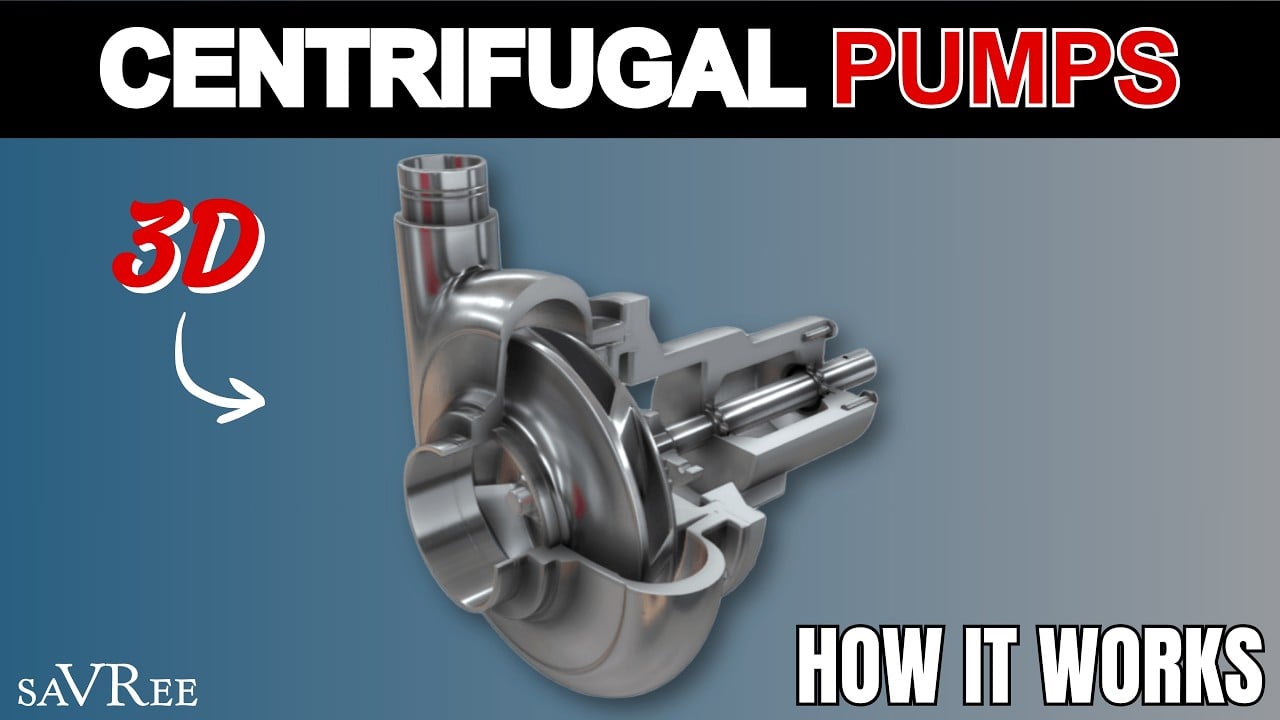
Video edukasi oleh saVRee: Cara Kerja Pompa Sentrifugal. Ini menjelaskan prinsip-prinsip latar belakang dan tidak menggantikan instruksi khusus proyek.
Pertanyaan yang sering diajukan
Bagaimana cara mengetahui apakah pipa saluran hisap tersumbat?
Bandingkan aliran, tekanan isap dan buang, arus atau daya, tingkat sumber, dan data dasar. Gejala yang serupa dapat berasal dari udara, kecepatan, putaran, keausan, atau pembatasan pelepasan.
Bisakah saya membersihkan pipa hisap yang tersumbat dengan batang saat masih tersambung?
Jangan berimprovisasi. Isolasi, kunci, kurangi tekanan, kuras, nilai bahaya cairan, dan gunakan metode pembersihan yang disetujui.
Mengapa selang sedot kolaps hanya saat mesin beroperasi?
Vakum meningkat selama pengoperasian. Selang mungkin memiliki spesifikasi yang tidak memadai, kegagalan lapisan internal, kerusakan akibat panas, atau hambatan yang berlebihan.
Bagaimana cara mencegah agar sumbatan tidak kembali lagi?
Identify the removed material and its source, then address intake design, screening, sump condition, velocity, cleaning access, process controls, and pump passage together.
Titik pemeriksaan proyek akhir
Sebelum penempatan pesanan atau perubahan lapangan, selaraskan tugas dan gambar yang disetujui dengan data pemasok, material, dimensi, berat, sambungan, penggerak, kontrol, aksesori, perlindungan, lingkup pengujian, dokumentasi, suku cadang, metode pemasangan, akses pemeliharaan, dan persyaratan tujuan. Catat asumsi yang tersisa dan tetapkan tanggung jawab untuk menyelesaikannya. Informasi akhir yang diterima harus menjadi dasar yang sama yang digunakan untuk pemasangan, pengujian andal (commissioning), dan pemeliharaan di masa mendatang.