
A clogged pump suction pipe usually shows up as reduced flow, lower suction pressure, unstable discharge, noise, cavitation-like symptoms, longer fill time, or a change in motor load. Confirm the symptom with gauges and operating data before opening equipment. Then isolate and lock out the pump, remove pressure, verify the liquid hazard, and inspect the easiest restrictions first: source level, suction valve, strainer, foot valve, hose collapse, air leak, and intake blockage. Do not keep running a starved centrifugal pump; it can damage seals, impellers, bearings, and the liquid itself.
هذا الدليل هو إطار هندسي ومشتريات مبكر، وليس بديلاً عن تصميم المشروع المعتمد، أو اللوائح الحالية، أو تعليمات الشركة المصنعة، أو إشراف الموقع المؤهل. تتطلب الأعمال الكهربائية، والاختبارات تحت الجهد، والرفع، والعمل في الأماكن المغلقة، وأعمال الحماية من الحريق، والحفر، والسوائل الخطرة، ومياه الصرف الصحي، والأنظمة المضغوطة إجراءات خاصة بالمهمة وأفراداً أثبتا كفاءتهم. حافظ على الحماية التلقائية وتوفر النظام أثناء التحقيق في الأعطال. إذا كان السائل الفعلي، أو الواجب، أو حالة الموقع، أو المتطلبات الحاكمة تختلف عن الافتراضات، فتوقف واحصل على مراجعة فنية معدلة.
Recognize restriction without guessing
Compare current flow, suction and discharge pressures, speed, power or current, vibration, sound, and liquid level with the commissioning baseline at the same valve and process condition. A suction restriction often increases suction vacuum or reduces absolute suction pressure while flow falls, but instrument location and system geometry matter. A blocked discharge, worn impeller, wrong rotation, entrained air, low speed, closed valve, or process change can produce similar low-flow symptoms. Cavitation noise may result from low source level, hot liquid, high suction loss, or excessive flow rather than a physical plug. Establish when the change began and whether it follows cleaning, maintenance, rainfall, batch change, tank level, or parallel-pump operation. Do not dismantle the pump until the evidence points to the suction side.
Inspect source, valves, strainers, and flexible hose
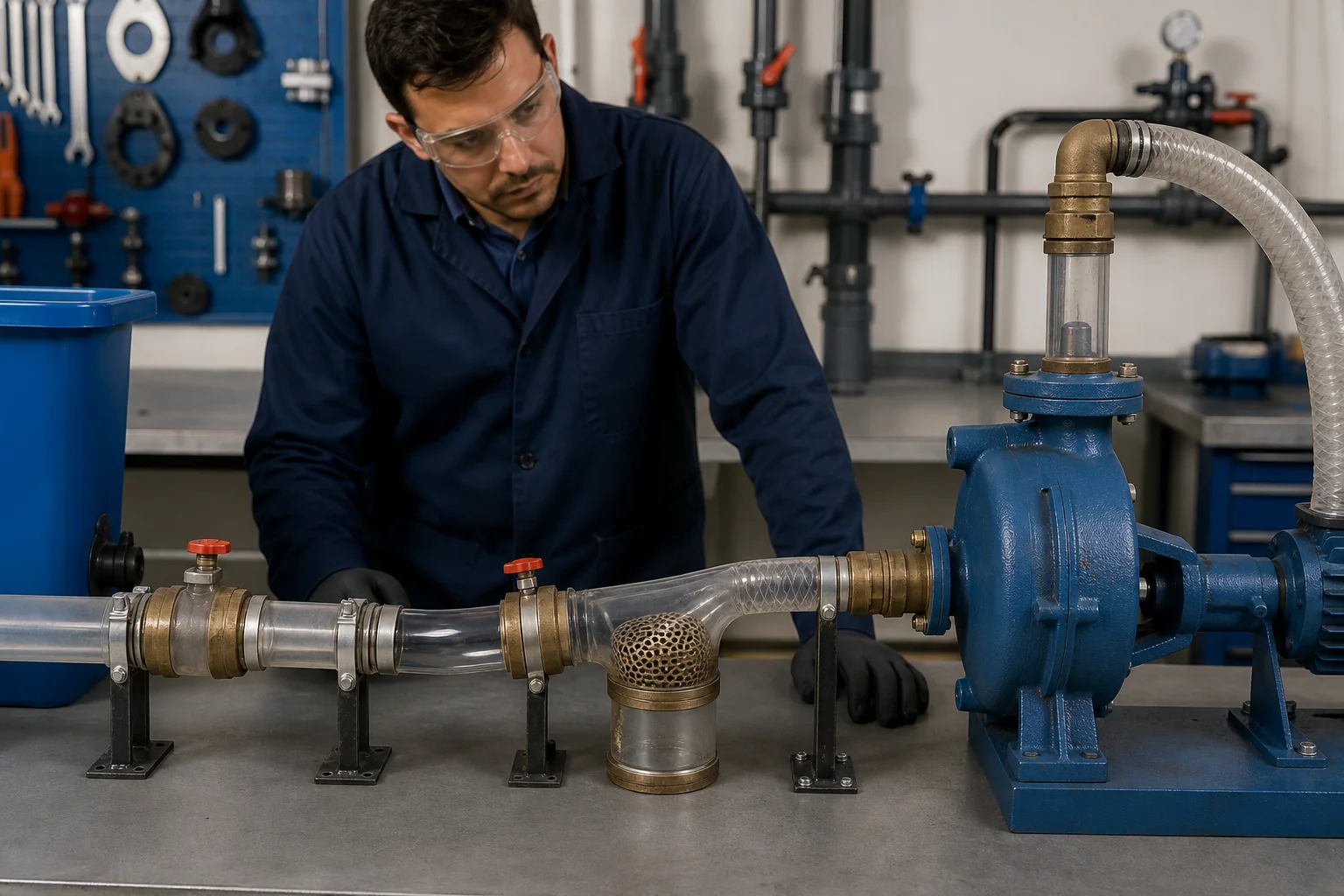
Check actual source level and pressure, vortexing, sediment, floating debris, ice, and intake submergence. Verify every suction valve position and confirm that a gate or internal disc has not detached. Inspect strainers, baskets, foot valves, temporary screens, reducers, gaskets, and flexible connectors. A hose can collapse under vacuum even when it looks normal while stopped; its liner may delaminate internally. Check for kinked routes, high points, unsupported weight, and undersized fittings. Differential pressure across a strainer is useful when taps are correctly located and gauges are reliable. Clean components through the approved method and capture removed material for root-cause review rather than washing away evidence.
Find air leaks and loss of prime
On suction lift systems, small air leaks can prevent prime without leaking liquid outward. Inspect flanges, gaskets, threaded joints, valve stems, instrument connections, drain plugs, casing seals, hose couplings, and the foot valve. Use only approved leak-testing methods suitable for the liquid and pressure; never apply unsafe pressure or flame. Confirm the pump casing and priming chamber are filled as required and that the priming system, ejector, vacuum pump, separator, and non-return devices operate correctly. On flooded suction, verify that the source valve is open and the line is vented where needed. Repeated loss of prime after shutdown can point to a leaking check or foot valve, trapped gas, or a suction route that drains back.
جدول قرار المشروع
| Observed symptom | Possible suction-side cause | تحقق |
|---|---|---|
| Low flow with higher suction vacuum | Blocked strainer or pipe restriction | Compare suction pressure and inspect differential |
| Intermittent flow and bubbles | Air leak, vortex or low level | Check source, joints and submergence |
| Prime lost after shutdown | Foot/check valve leak or drain-back | Observe hold condition and approved leak test |
| Hose flattens during operation | Insufficient vacuum rating or failed liner | Inspect dynamically and replace correctly |
| Rapid repeat blockage | Upstream debris, ragging, scale or sediment | Identify removed material and entry path |
| Flow remains low after cleaning | Other system or pump fault | Check speed, rotation, discharge and wear |
Isolate and remove an internal blockage safely
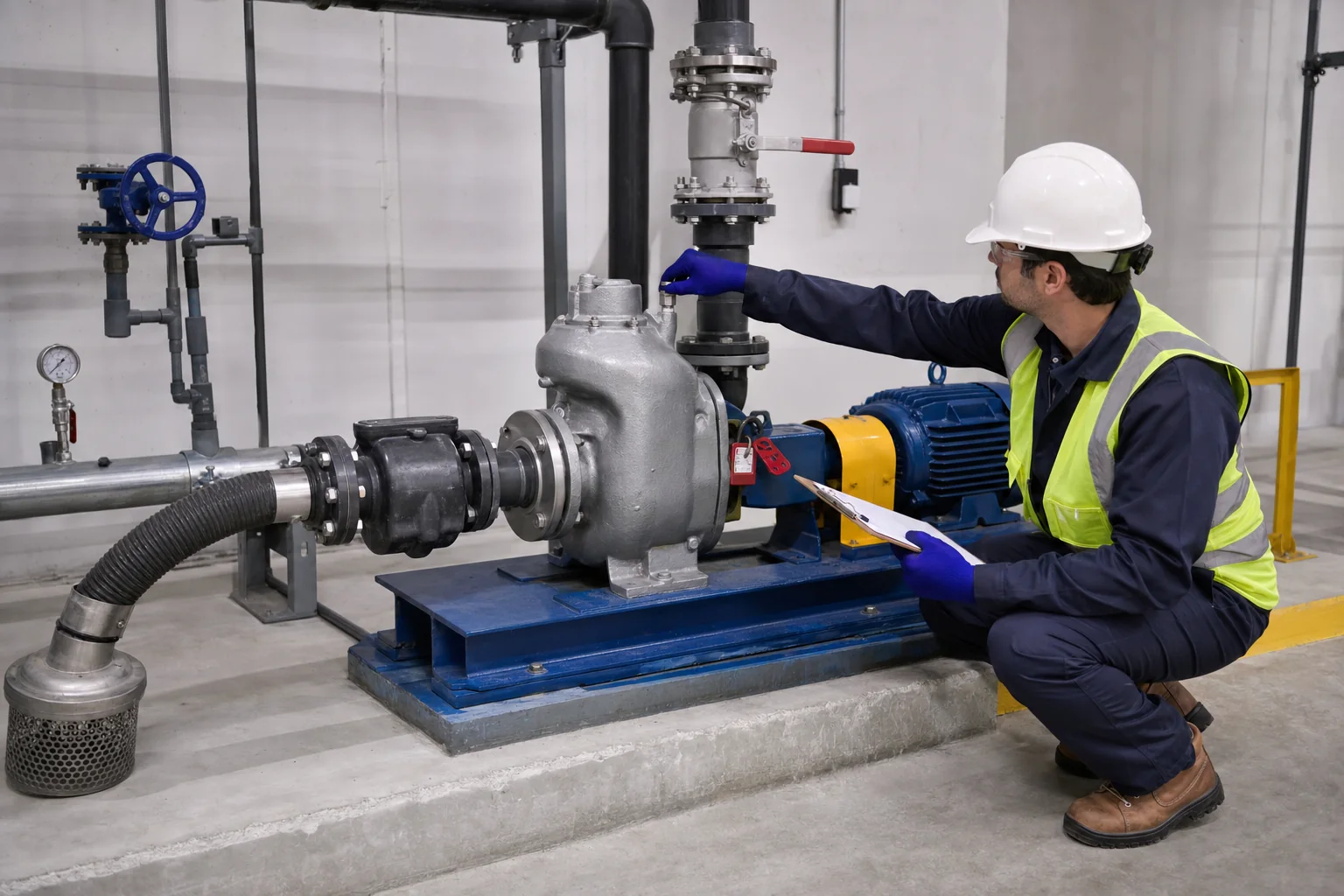
Review the safety data, temperature, pressure, biological hazard, confined-space risk, and environmental controls before opening the line. Stop the pump, isolate energy, close and secure valves, depressurize, drain to an approved location, verify zero energy, and provide containment. Heavy strainers and pipe sections need lifting plans. Use cleanout ports or removable spool pieces where designed rather than driving rods blindly through piping. Sharp debris, chemicals, and wastewater require appropriate tools and protective controls. After removal, inspect the material and its entry path. Ragging may need upstream screens or operating changes; scale may indicate chemistry or temperature; collapsed lining requires hose replacement; construction debris points to incomplete flushing. Restore gaskets, fasteners, supports, and valve positions under the approved procedure.
Prevent repeat blockages through system design
Match intake opening and strainer free area to the liquid and required flow. A finer screen reduces particle passage but can increase cleaning and suction loss. Provide accessible baskets, differential-pressure indication, duty/standby strainers, backwash, self-cleaning intake, or larger collection sumps where justified. Control velocity and avoid dead legs that collect solids. Keep the intake above settled sediment while maintaining submergence. For fibrous wastewater, select hydraulic passage and upstream handling together; a larger pump alone does not solve ragging. Include flushing and drain connections where they can be used safely. Operating procedures should define inspection triggers from pressure, flow, current, runtime, or level—not only a fixed calendar.
Recommission and verify the root cause is removed
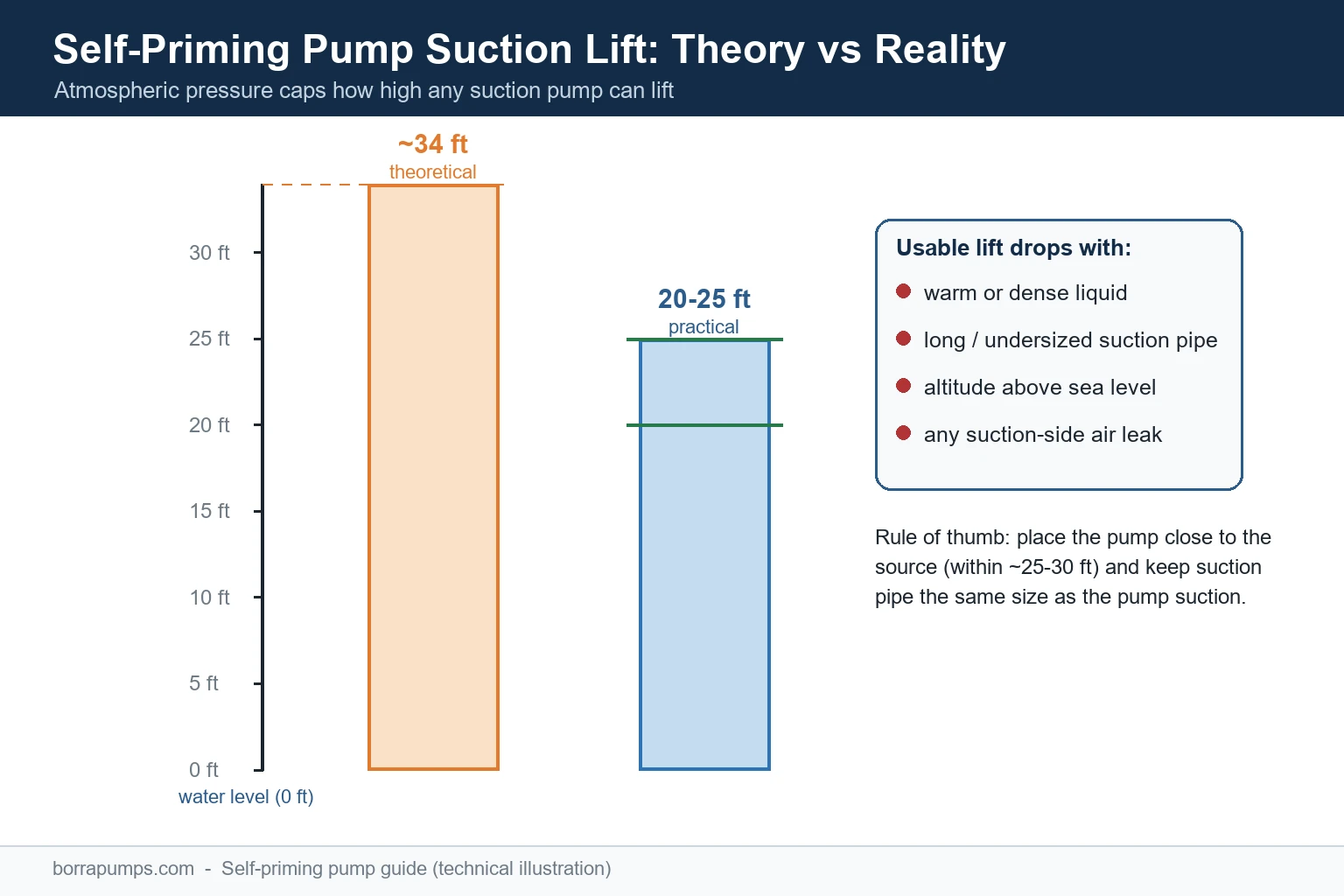
Before restart, confirm all tools and debris are removed, covers and guards installed, valves positioned, vents and drains closed, piping supported, instruments restored, priming complete, and protection active. Start according to the pump procedure and observe suction pressure, discharge pressure, flow, speed, current, vibration, temperature, and leakage. Compare the readings with the original baseline and calculate whether the system operating point has returned. If the restriction recurs quickly, investigate the upstream process rather than repeating cleanout. Record the material, location, measurements before and after, photographs, maintenance action, and prevention recommendation. The goal is to restore hydraulic performance and remove the source, not simply to make the pump run for one shift.
سجل الشراء والقبول
يجب أن تستخدم مقارنة الموردين الكاملة ورقة بيانات عامة واحدة. ضع نقاط التصميم والتشغيل البديلة، السائل، درجة الحرارة، المواد الصلبة، ارتفاع الموقع، الطاقة، أدوات التحكم، التركيب، ساعات التشغيل، الكمية، الوجهة، والمستندات المطلوبة في الأعلى. قم بتوحيد الاختلافات في النطاق قبل مقارنة السعر أو الكفاءة. اطلب منحنى معتمدًا أو بيانات سعة، والطاقة الممتصة، حدود التشغيل، المواد، الأبعاد، الوزن، الوصلات، المحرك أو المشغل، وحدة التحكم، الملحقات، الاختبارات، الحفظ، قطع الغيار، تعليمات التركيب، وحدود الضمان. سجل كل انحراف وافتراض غير محلل. أثناء المراجعة الفنية، تتبع كل ميزة معروضة وصولاً إلى مدخلات المشروع بدلاً من منح نقاط لميزات لا يحتاجها واجب العمل. أثناء التشغيل التجريبي، قس نفس المتغيرات المستخدمة في الاختيار بحيث يمكن مقارنة النتيجة المثبتة مع الأساس الأصلي. إذا كانت ظروف الموقع مختلفة، قم بتحديث الحساب واجصل على موافقة مسؤولة قبل تغيير المعدات أو إعدادات الحماية.
كيف يرتبط هذا الموضوع بمعدات BORRAPUMP
يدعم هذا الدليل المراجعة المبكرة لـ industrial pump maintenance clogged suction pipe مسار التطبيق. إنه لا يعين نموذجاً نهائياً أو يدعي أن تكوينًا قياسيًا واحدًا يناسب كل مشروع. أرسل نقاط التشغيل، والبيانات السائلة، ومخطط الموقع، ومصدر الطاقة، وأدوات التحكم، والكمية، والوجهة، والموافقات المطلوبة، ونطاق الفحص بحيث يمكن التحقق من المنتج المقترح مقابل الخدمة الحقيقية.
أدلة الهندسة الخاصة بـ BORRAPUMP ذات الصلة
- استكشاف أخطاء المضخة ذاتية التحضير وإصلاحها
- self-priming pump cavitation checks
- استكشاف أخطاء مضخة نقل المياه وإصلاحها
مصادر موثوقة ومزيد من التعلم
أنظمة المضخات التابعة لوزارة الطاقة الأمريكية; السيطرة على الطاقة الخطرة التابعة لإدارة السلامة والصحة المهنية (أوشا); الأماكن المحصور طبقاً لإ OSHA. توفر هذه المصادر سياقاً عاماً للسلامة أو البيئة أو الهندسة. تظل القواعد الحالية المعتمدة، ووافقات المشاريع، وتعليمات المعدات هي التي تحكم.
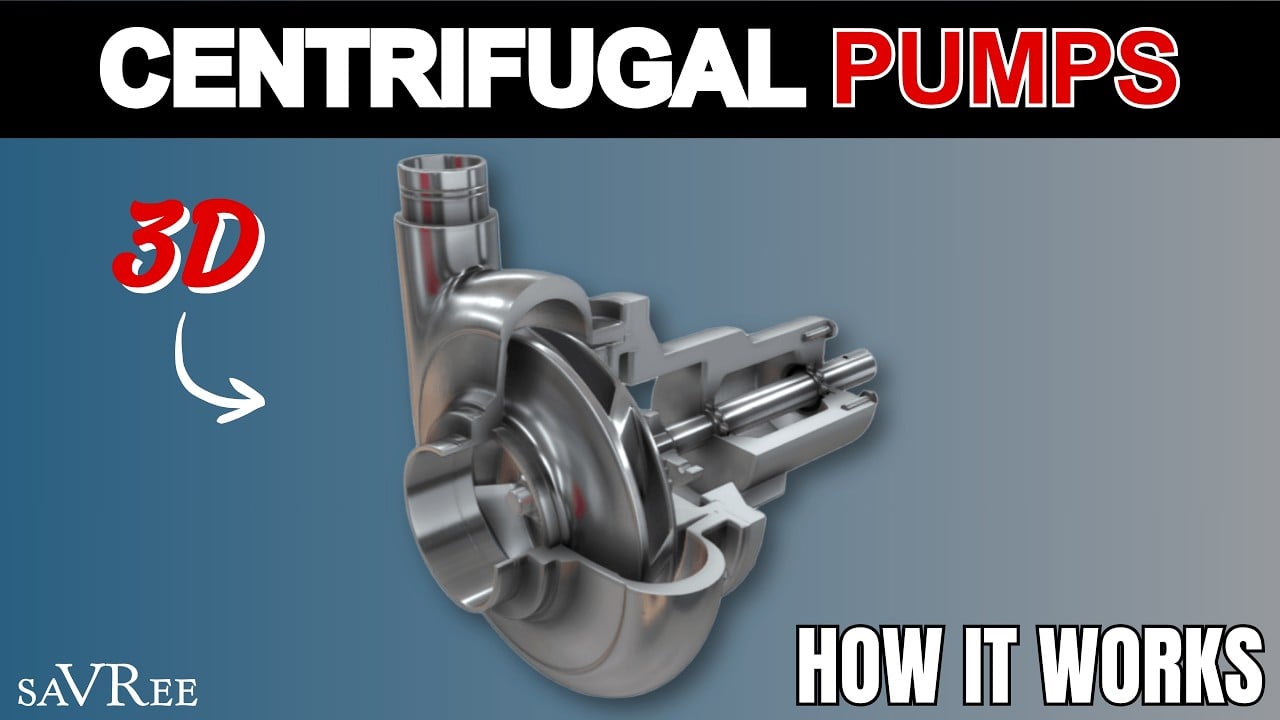
فيديو تعليمي بواسطة saVRee: كيف تعمل المضخات الطاردة المركزية. إنه يوضح المبادئ الأساسية ولا يحل محل التعليمات الخاصة بالمشروع.
الأسئلة الشائعة
كيف يمكنني معرفة ما إذا كان خط السحب مسدوداً؟
قارن التدفق، وضغطي السحب والطرد، والجهد الكهربائي أو القدرة، ومستوى المصدر، والبيانات الأساسية. يمكن أن تنتج الأعراض المتشابهة عن الهواء، أو السرعة، أو الدوران، أو التآكل، أو تقييد الطرد.
هل يمكنني تسليك أنبوب شفط مسدود وهو متصل؟
لا ترتجل. قم بالعزل، والقفل، وإفراغ الضغط، والتصريف، وتقييم خطر السائل، واستخدام طريقة التنظيف المعتمدة.
لماذا يمتص خرطوم الشفط على نفسه فقط عند التشغيل؟
يرتفع الفراغ أثناء التشغيل. قد يكون الخرطوم غير مناسب التصنيف، أو يعاني من تلف في البطانة الداخلية، أو تلف ناتج عن الحرارة، أو وجود تقييد مفرط.
كيف أمنع الانسداد من العودة؟
Identify the removed material and its source, then address intake design, screening, sump condition, velocity, cleaning access, process controls, and pump passage together.
نقطة تفتيش المشروع النهائي
قبل تأكيد الطلب أو إجراء أي تغيير ميداني، قم بمطابقة الواجب والمخططات المعتمدة مع بيانات المورد، والمواد، والأبعاد، والأوزان، والوصلات، ومشغل التشغيل، وأدوات التحكم، والملحقات، الحماية، ونطاق الاختبار، والوثائق، وقطع الغيار، وطريقة التركيب، وإمكانية الوصول للصيانة، ومتطلبات وجهة الوصول. قم بتسجيل الافتراضات المتبقية وتحديد المسؤولية عن إغلاقها. يجب أن تكون المعلومات النهائية المقبولة هي الأساس ذاته المستخدم للتركيب، والتشغيل التجريبي، والصيانة المستقبلية.