
A clogged pump suction pipe usually shows up as reduced flow, lower suction pressure, unstable discharge, noise, cavitation-like symptoms, longer fill time, or a change in motor load. Confirm the symptom with gauges and operating data before opening equipment. Then isolate and lock out the pump, remove pressure, verify the liquid hazard, and inspect the easiest restrictions first: source level, suction valve, strainer, foot valve, hose collapse, air leak, and intake blockage. Do not keep running a starved centrifugal pump; it can damage seals, impellers, bearings, and the liquid itself.
Bu kılavuz, onaylı proje tasarımının, yürürlükteki yönetmeliklerin, üretici talimatlarının veya yetkili saha denetiminin yerini almayan erken aşamalı bir mühendislik ve tedarik çerçevesidir; elektrik işleri, enerjili testler, kaldırma, kapalı alan çalışmaları, yangından korunma çalışmaları, kazı, tehlikeli sıvılar, atık su ve basınçlı sistemler, görev odaklı prosedürler ve yetkin personel gerektirir. Arızaları araştırırken otomatik korumayı ve sistem kullanılabilirliğini koruyun. Gerçek sıvı, görev, saha koşulu veya geçerli gereklilik varsayımlardan farklıysa, durun ve gözden geçirilmiş bir teknik inceleme elde edin.
- Recognize restriction without guessing
- Inspect source, valves, strainers, and flexible hose
- Find air leaks and loss of prime
- Isolate and remove an internal blockage safely
- Prevent repeat blockages through system design
- Recommission and verify the root cause is removed
- Karar tablosu
- Sık sorulan sorular
Recognize restriction without guessing
Compare current flow, suction and discharge pressures, speed, power or current, vibration, sound, and liquid level with the commissioning baseline at the same valve and process condition. A suction restriction often increases suction vacuum or reduces absolute suction pressure while flow falls, but instrument location and system geometry matter. A blocked discharge, worn impeller, wrong rotation, entrained air, low speed, closed valve, or process change can produce similar low-flow symptoms. Cavitation noise may result from low source level, hot liquid, high suction loss, or excessive flow rather than a physical plug. Establish when the change began and whether it follows cleaning, maintenance, rainfall, batch change, tank level, or parallel-pump operation. Do not dismantle the pump until the evidence points to the suction side.
Inspect source, valves, strainers, and flexible hose
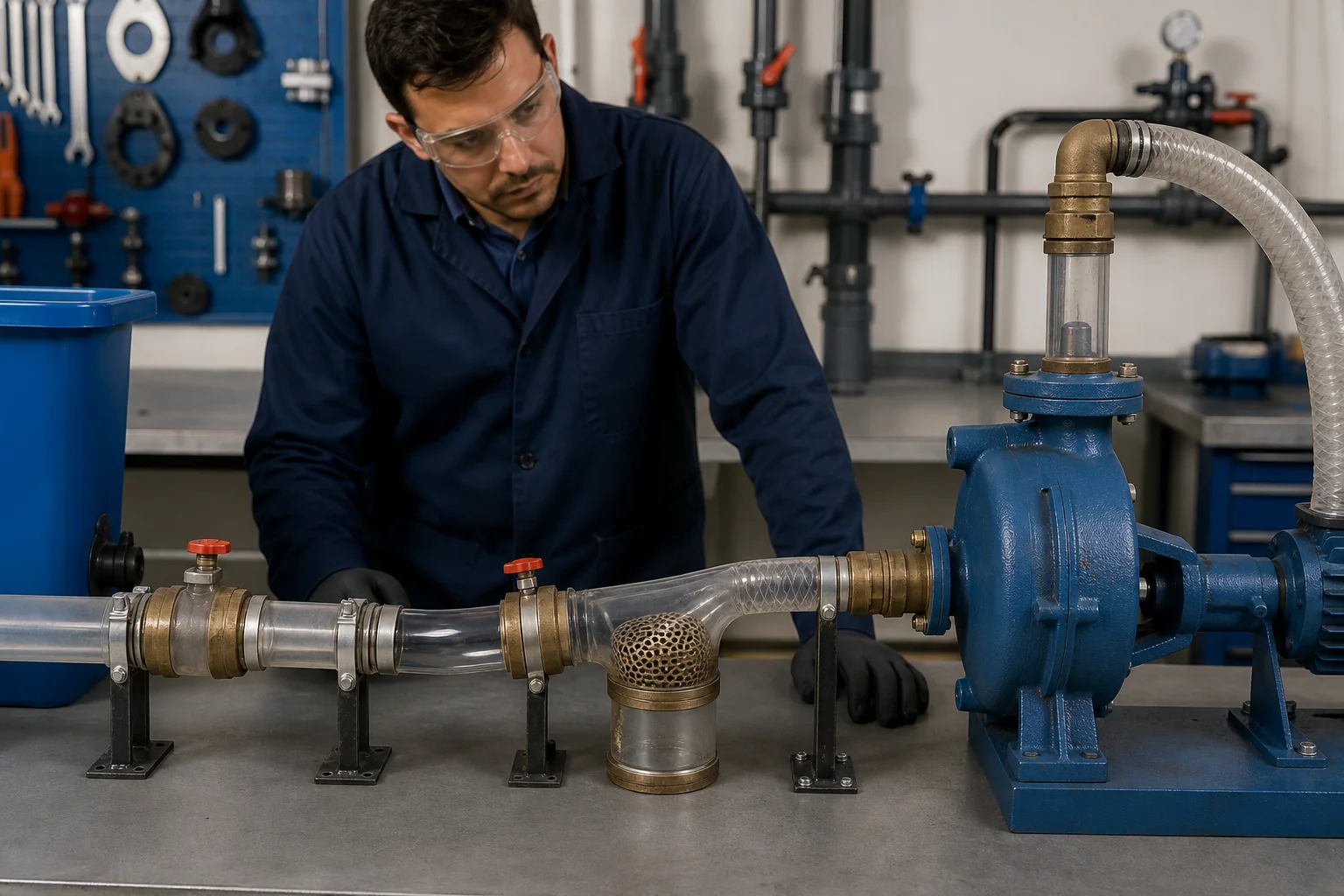
Check actual source level and pressure, vortexing, sediment, floating debris, ice, and intake submergence. Verify every suction valve position and confirm that a gate or internal disc has not detached. Inspect strainers, baskets, foot valves, temporary screens, reducers, gaskets, and flexible connectors. A hose can collapse under vacuum even when it looks normal while stopped; its liner may delaminate internally. Check for kinked routes, high points, unsupported weight, and undersized fittings. Differential pressure across a strainer is useful when taps are correctly located and gauges are reliable. Clean components through the approved method and capture removed material for root-cause review rather than washing away evidence.
Find air leaks and loss of prime
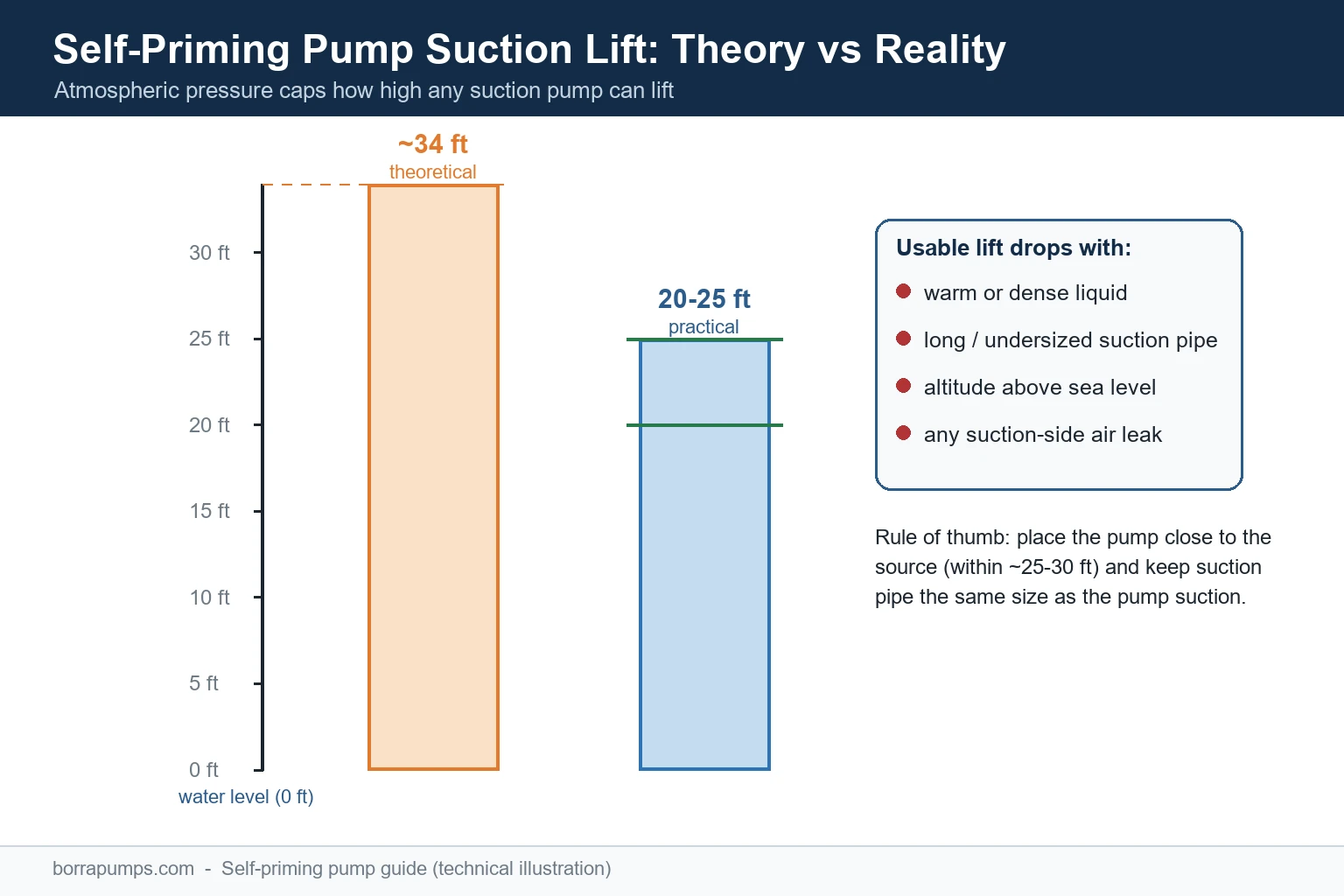
On suction lift systems, small air leaks can prevent prime without leaking liquid outward. Inspect flanges, gaskets, threaded joints, valve stems, instrument connections, drain plugs, casing seals, hose couplings, and the foot valve. Use only approved leak-testing methods suitable for the liquid and pressure; never apply unsafe pressure or flame. Confirm the pump casing and priming chamber are filled as required and that the priming system, ejector, vacuum pump, separator, and non-return devices operate correctly. On flooded suction, verify that the source valve is open and the line is vented where needed. Repeated loss of prime after shutdown can point to a leaking check or foot valve, trapped gas, or a suction route that drains back.
Proje karar tablosu
| Observed symptom | Possible suction-side cause | Doğrulama |
|---|---|---|
| Low flow with higher suction vacuum | Blocked strainer or pipe restriction | Compare suction pressure and inspect differential |
| Intermittent flow and bubbles | Air leak, vortex or low level | Check source, joints and submergence |
| Prime lost after shutdown | Foot/check valve leak or drain-back | Observe hold condition and approved leak test |
| Hose flattens during operation | Insufficient vacuum rating or failed liner | Inspect dynamically and replace correctly |
| Rapid repeat blockage | Upstream debris, ragging, scale or sediment | Identify removed material and entry path |
| Flow remains low after cleaning | Other system or pump fault | Check speed, rotation, discharge and wear |
Isolate and remove an internal blockage safely
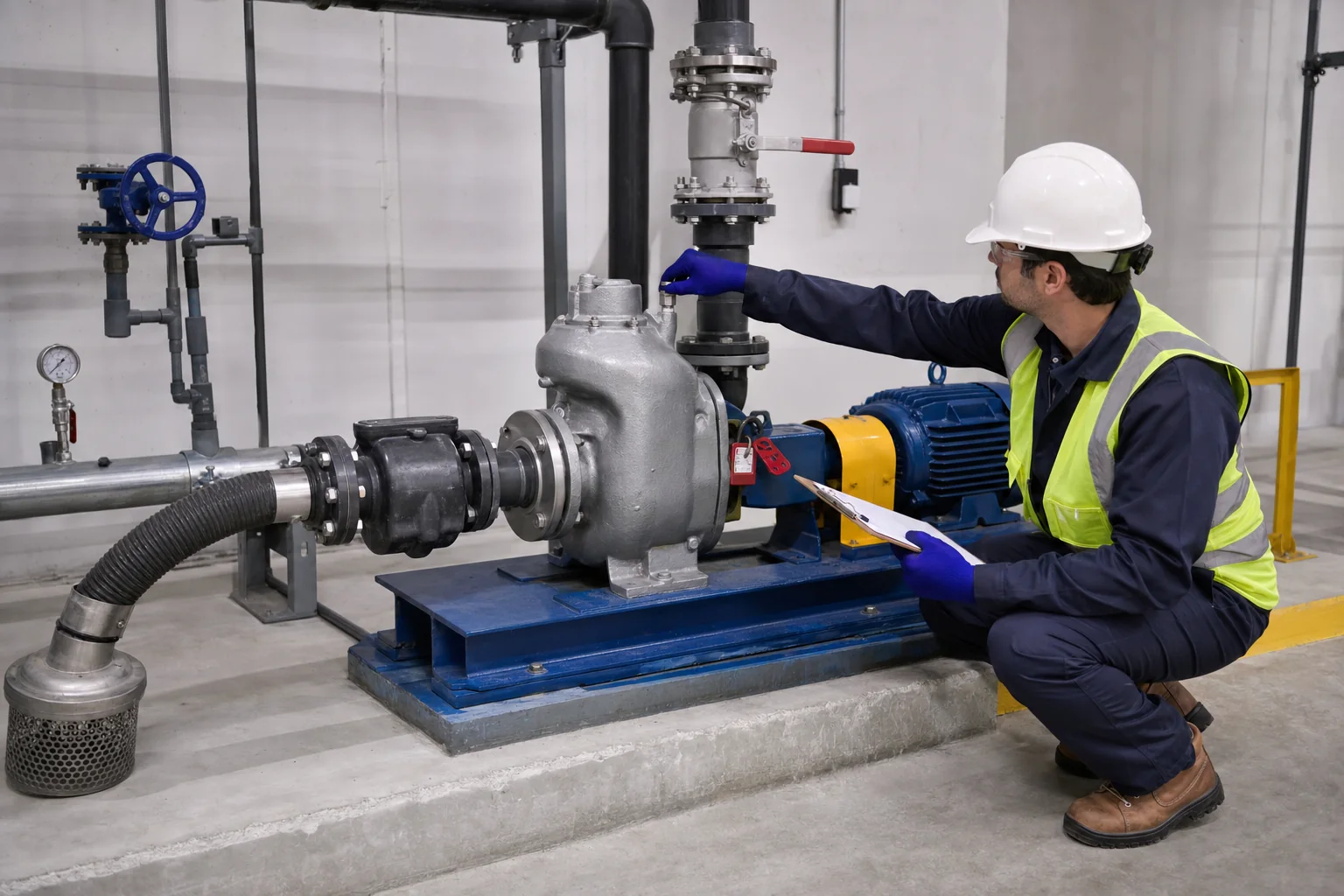
Review the safety data, temperature, pressure, biological hazard, confined-space risk, and environmental controls before opening the line. Stop the pump, isolate energy, close and secure valves, depressurize, drain to an approved location, verify zero energy, and provide containment. Heavy strainers and pipe sections need lifting plans. Use cleanout ports or removable spool pieces where designed rather than driving rods blindly through piping. Sharp debris, chemicals, and wastewater require appropriate tools and protective controls. After removal, inspect the material and its entry path. Ragging may need upstream screens or operating changes; scale may indicate chemistry or temperature; collapsed lining requires hose replacement; construction debris points to incomplete flushing. Restore gaskets, fasteners, supports, and valve positions under the approved procedure.
Prevent repeat blockages through system design
Match intake opening and strainer free area to the liquid and required flow. A finer screen reduces particle passage but can increase cleaning and suction loss. Provide accessible baskets, differential-pressure indication, duty/standby strainers, backwash, self-cleaning intake, or larger collection sumps where justified. Control velocity and avoid dead legs that collect solids. Keep the intake above settled sediment while maintaining submergence. For fibrous wastewater, select hydraulic passage and upstream handling together; a larger pump alone does not solve ragging. Include flushing and drain connections where they can be used safely. Operating procedures should define inspection triggers from pressure, flow, current, runtime, or level—not only a fixed calendar.
Recommission and verify the root cause is removed
Before restart, confirm all tools and debris are removed, covers and guards installed, valves positioned, vents and drains closed, piping supported, instruments restored, priming complete, and protection active. Start according to the pump procedure and observe suction pressure, discharge pressure, flow, speed, current, vibration, temperature, and leakage. Compare the readings with the original baseline and calculate whether the system operating point has returned. If the restriction recurs quickly, investigate the upstream process rather than repeating cleanout. Record the material, location, measurements before and after, photographs, maintenance action, and prevention recommendation. The goal is to restore hydraulic performance and remove the source, not simply to make the pump run for one shift.
Tedarik ve kabul kaydı
Eksiksiz bir tedarikçi karşılaştırması, ortak bir veri formu kullanmalıdır. Tasarım ve alternatif çalışma noktalarını, akışkan özelliklerini, sıcaklığı, katı maddeleri, tesis rakımını, güç değerini, kumanda sistemini, montaj şeklini, çalışma saatlerini, miktarı, sevk yerini ve istenen belgeleri üst kısma yerleştirin. Fiyat veya verimliliği karşılaştırmadan önce kapsamdaki farklılıkları standardize edin. Sertifikalı eğri veya kapasite verisi, çekilen güç, çalışma limitleri, malzemeler, boyutlar, ağırlık, bağlantılar, motor veya sürücü, kontrol cihazı, aksesuarlar, testler, koruma (konservasyon), yedek parçalar, montaj talimatları ve garanti sınırlarının sunulmasını talep edin. Her bir sapmayı ve çözülmemiş varsayımı kaydedin. Teknik inceleme sırasında, görevin ihtiyaç duymadığı özelliklere puan vermek yerine, sunulan her bir özelliği bir proje girdisiyle eşleştirin. Devreye alma sırasında, kurulan sonucun orijinal temel ile karşılaştırılabilmesi için seçimde kullanılan değişkenlerin aynısını ölçün. Saha koşulları farklılık gösterirse, ekipmanı veya koruma ayarlarını değiştirmeden önce hesaplamayı güncelleyin ve yetkili onayını alın.
Bu konu BORRAPUMP ekipmanıyla nasıl ilişkilidir
Bu kılavuz, şunun erken incelemesini destekler: industrial pump maintenance clogged suction pipe uygulama güzergahı. Son bir model atamaz veya tek bir standart konfigürasyonun her projeye uyduğunu iddia etmez. Önerilen ürünün gerçek hizmete karşı kontrol edilebilmesi için çalışma noktalarını, sıvı verilerini, tesis çizimini, güç kaynağını, kontrolleri, miktarı, varış noktasını, gerekli onayları ve denetim kapsamını gönderin.
İlgili BORRAPUMP mühendislik kılavuzları
- kendinden emişli pompa arıza giderme
- self-priming pump cavitation checks
- su transfer pompası arıza giderme
Yetkili kaynaklar ve ileri düzey öğrenim
ABD Enerji Bakanlığı pompalama sistemleri; OSHA tehlikeli enerji kontrolü; OSHA kapalı alanlar. Bu kaynaklar genel güvenlik, çevresel veya mühendislik bağlamı sağlar. Mevcut kabul edilen kurallar, proje onayları ve ekipman talimatları bağlayıcılığını korur.
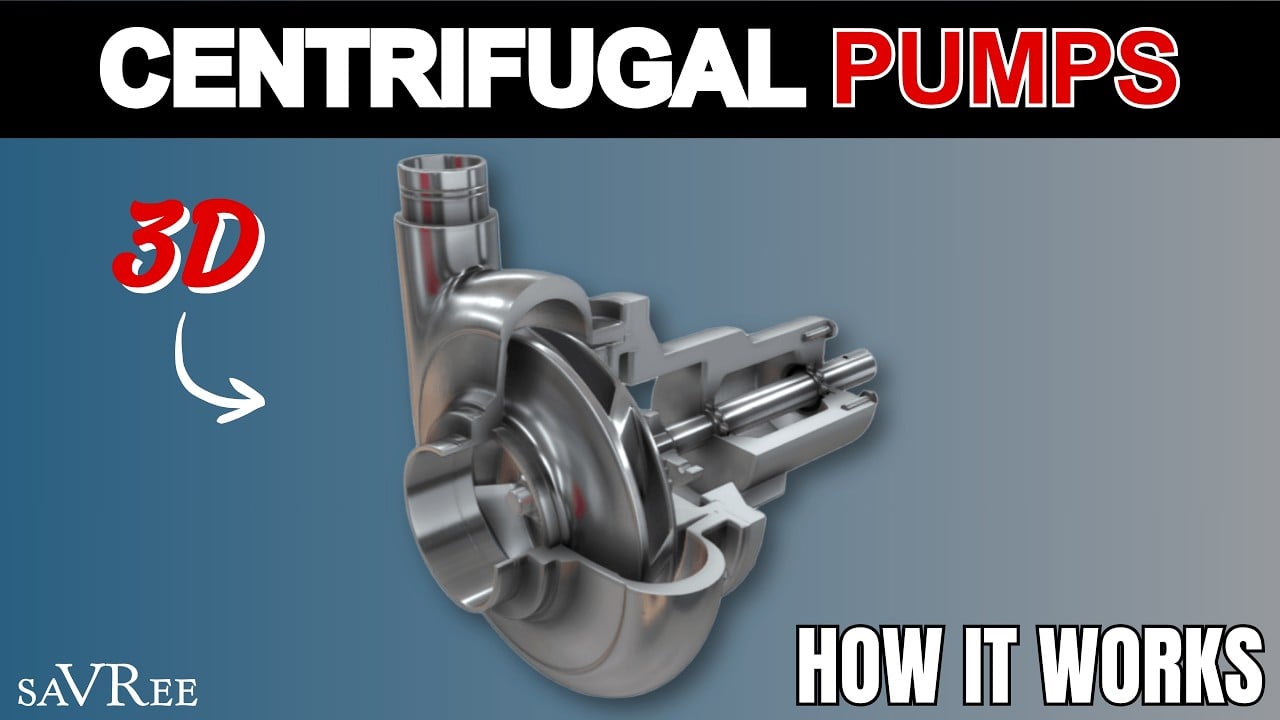
saVRee tarafından hazırlanan eğitici video: Santrifüj Pompalar Nasıl Çalışır. Temel ilkeleri açıklar ve projeye özel talimatların yerini almaz.
Sık sorulan sorular
Emiş hattının tıkalı olup olmadığını nasıl anlayabilirim?
Akışı, emme ve basma basınçlarını, akımı veya gücü, kaynak seviyesini ve taban çizgisi verilerini karşılaştırın. Benzer belirtiler hava, hız, dönüş, aşınma veya basma kısıtlamasından kaynaklanabilir.
Bağlantısı kesilmemiş durumdaki tıkalı bir emiş borusunu açabilir miyim?
Doğaçlama yapmayın. Ekleme yapmayın/yalıtın, kilitleyin, basıncı düşürün, boşaltın, sıvı tehlikesini değerlendirin ve onaylanmış temizleme yöntemini kullanın.
Emiş hortumu neden sadece çalışırken çöker?
Çalışma sırasında vakum yükseliyor. Hortum yetersiz bir değere sahip olabilir, iç astarda arıza, ısı hasarı veya aşırı kısıtlama bulunabilir.
Tıkanıklığın tekrar oluşmasını nasıl önleyebilirim?
Identify the removed material and its source, then address intake design, screening, sump condition, velocity, cleaning access, process controls, and pump passage together.
Final Projesi Kontrol Noktası
Sipariş vermeden veya sahadaki değişiklikten önce, onaylanan çalışma şartlarını ve teknik resimleri tedarikçi verileri, malzemeler, boyutlar, ağırlıklar, bağlantılar, sürücü, kumandalar, aksesuarlar, koruma, test kapsamı, dokümantasyon, yedek parçalar, montaj yöntemi, bakım erişimi ve sevk yeri gereksinimleri ile mutabık hale getirin. Kalan varsayımları kaydedin ve bunların kapatılması için sorumluluk atayın. Son kabul edilen bilgiler, montaj, devreye alma ve gelecekteki bakım için kullanılan aynı temel olmalıdır.